You may have had the experience of filling out a long form on a website. For example, creating an account to make a purchase, or applying for a job, or renewing your car insurance.
A long form can lead to customers losing interest and taking their business elsewhere. Each additional field can result in up to 10% more customers dropping out instead of completing the form.
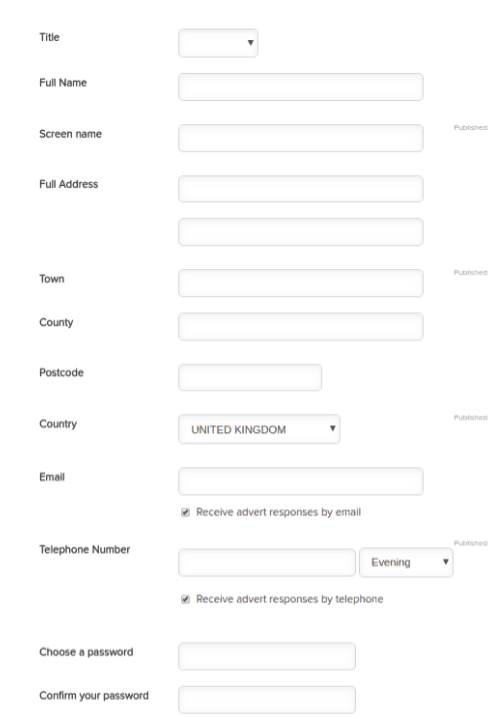
If you have a business with a form like this, one reason why you’re not able to simplify your form is because the data you are requesting is valuable.
Fast Data Science - London
There are lots of ways to address the problem, such as improving the design of the form, or splitting it across multiple pages, removing the “confirm password” field, and so on. But it appears that most fields can’t be removed without inherently degrading the data you collect on these new customers.
However with machine learning it’s possible to predict the values of some of these fields, and completely remove them from the form without sacrificing too much information. This way you gain more customers. You would need to have a history of what information customers have provided in the past, in order to remove the fields for new customers.
If you are interested and would like to know more please send us a message.
For an example of how data can be inferred from an unstructured text field please check out our forensic stylometry demo.
Unleash the potential of your NLP projects with the right talent. Post your job with us and attract candidates who are as passionate about natural language processing.
Hire NLP Experts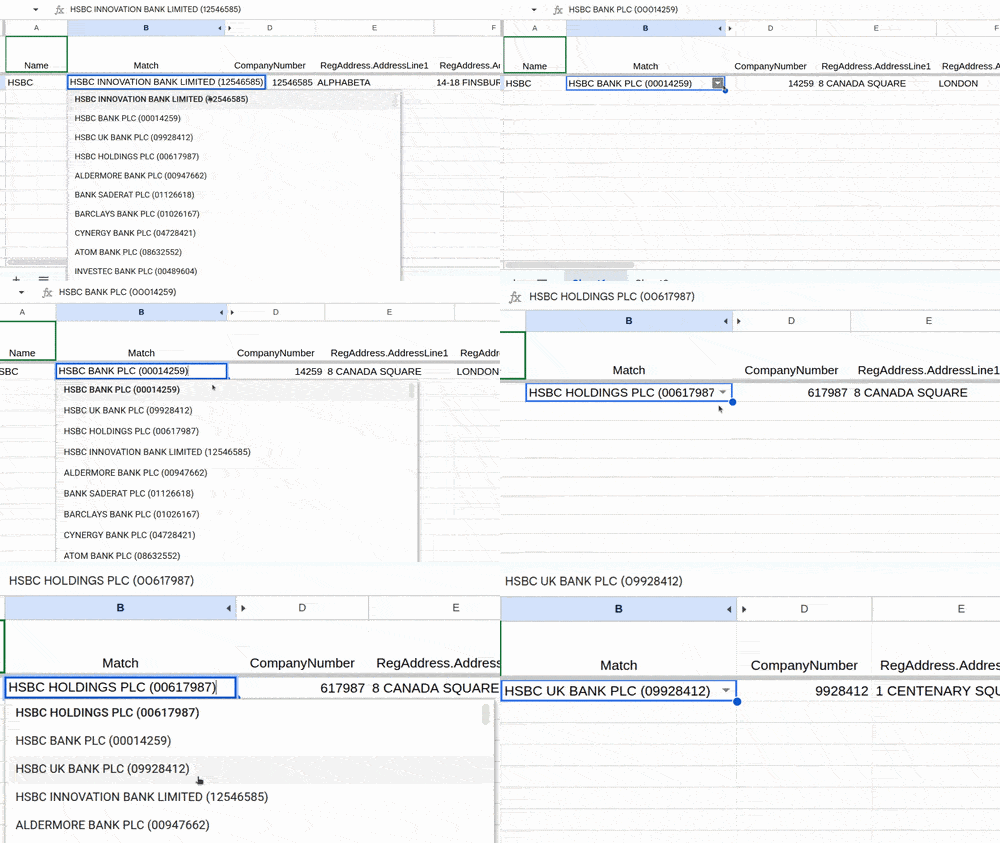
Fast Data Science are pleased to announce we have updated the UK Company Details Google Sheets™ plugin. The plugin allows you to retrieve details such as company number, incorporation date, address, and directors’ details from Companies House (the UK company registry) and automatically populate them in columns of a Google Sheets™ spreadsheet.
We are all familiar with the general-purpose chatbots like Gemini, GPT, and Claude. Companies and organisations have also been creating internal and external facing special-purpose chatbots, such as those which can book flights, tell you the weather, answer healthcare related queries, or answer questions about government procedures.
What we can do for you