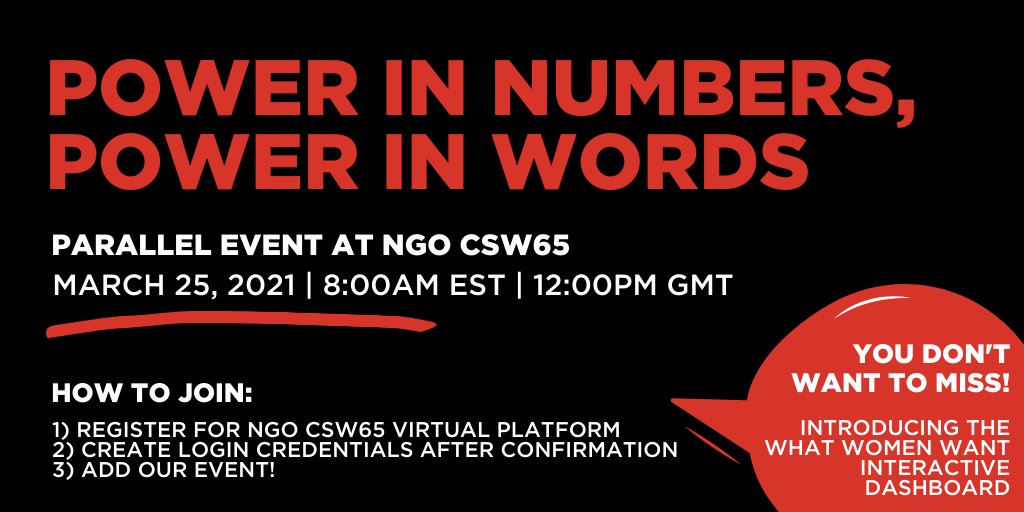
Register for the launch event on 29 March 2021 here (registration has passed). Click here to visit the dashboard.
Visit our What Women Want dashboard!
Fast Data Science - London
Fast Data Science has been working on a digital Natural Language Processing dashboard for White Ribbon Alliance (WRA). WRA is a global nonprofit which promotes reproductive, maternal and newborn health and rights.
In 2019, WRA did a survey called What Women Want, where they asked over a million women and adolescent girls around the world:
What is your top request for your maternal and reproductive healthcare?
From 25 March 2021, you will be able to explore their responses on our interactive dashboard, powered by Plotly Dash and Python and running on Google Cloud Platform.
Using bespoke Natural Language Processing, we have categorised their responses into 39 categories, such as Water, Sanitation, and Hygiene (WASH). Using our dashboard, you can see clearly how survey responses in natural language are related to age, location, and type of ask. We even have an N-gram explorer view (unigrams, bigrams, trigrams).
Please click here (registration has passed) to register for the launch event on 25 March at midday UK time.
Unleash the potential of your NLP projects with the right talent. Post your job with us and attract candidates who are as passionate about natural language processing.
Hire NLP Experts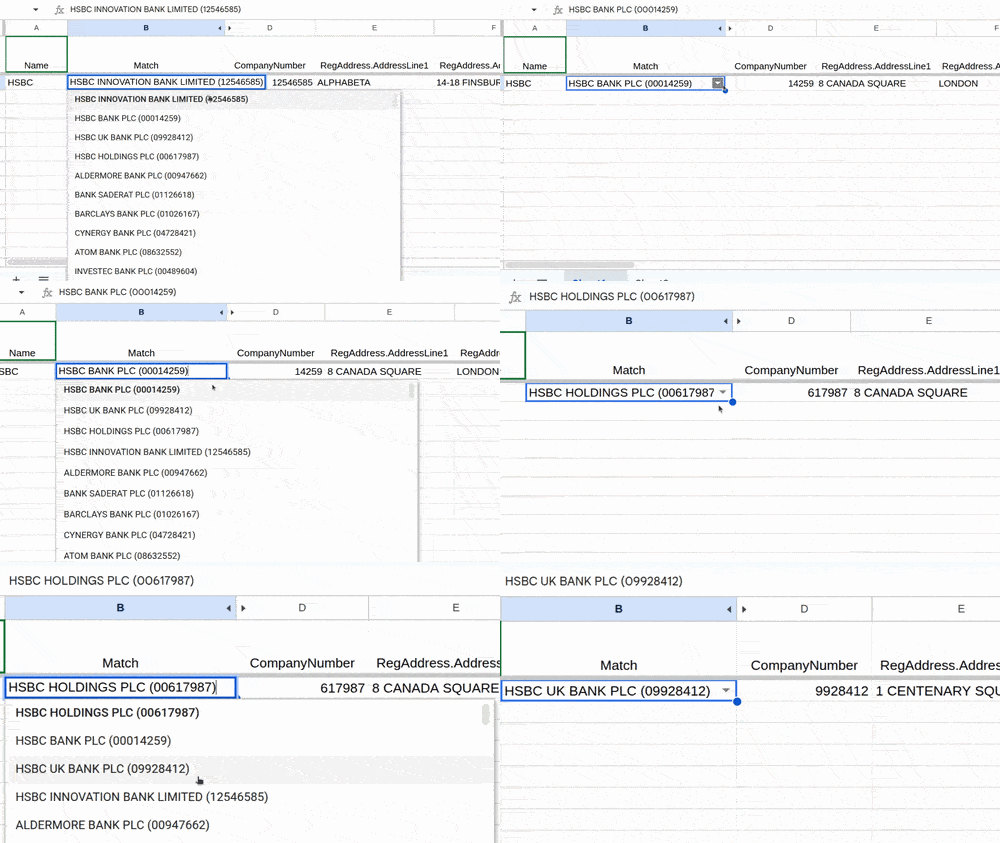
} Fast Data Science are pleased to announce we have updated the UK Company Details Google Sheets™ plugin. The plugin allows you to retrieve details such as company number, incorporation date, address, and directors’ details from Companies House (the UK company registry) and automatically populate them in columns of a Google Sheets™ spreadsheet.
We are all familiar with the general-purpose chatbots like Gemini, GPT, and Claude. Companies and organisations have also been creating internal and external facing special-purpose chatbots, such as those which can book flights, tell you the weather, answer healthcare related queries, or answer questions about government procedures.
What we can do for you