Fast Data Science Ltd’s flagship AI platform, the Clinical Trial Risk Tool, has been accepted as a supplier on the UK Government’s G-Cloud 15 framework.
Clinical Trial Risk Tool on Digital Marketplace
Managed by the Government Commercial Agency (GCA), the G-Cloud 15 framework enables NHS trusts, public health bodies, research institutions, and government departments to procure cloud-based software and AI tools directly without lengthy, costly traditional tender processes.
The Clinical Trial Risk Tool helps users to analyse clinical trial protocols and documents. By identifying potential design risks early in the trial planning stage, the tool helps investigator, CROs, and sponsors.
More information is available here.
You can also check out our white paper.
The addition of the Clinical Trial Risk Tool to G-Cloud 15 streamlines access for UK public sector organisations in several key ways:
Pre-vetted procurement: Fast Data Science has undergone standard government assessments, ensuring transparent pricing, robust security, and compliant terms of service.
Fast contracting: Public sector buyers can bypass complex procurement cycles and acquire licenses directly via the Digital Marketplace.
To learn more about the Clinical Trial Risk Tool or to request a demo for your organisation, visit https://clinicaltrialrisk.org.
Fast Data Science Ltd is a UK-based data science consultancy specialising in artificial intelligence, machine learning, and natural language processing solutions for healthcare, pharmaceuticals, and public sector organisations.
Dive into the world of Natural Language Processing! Explore cutting-edge NLP roles that match your skills and passions.
Explore NLP Jobs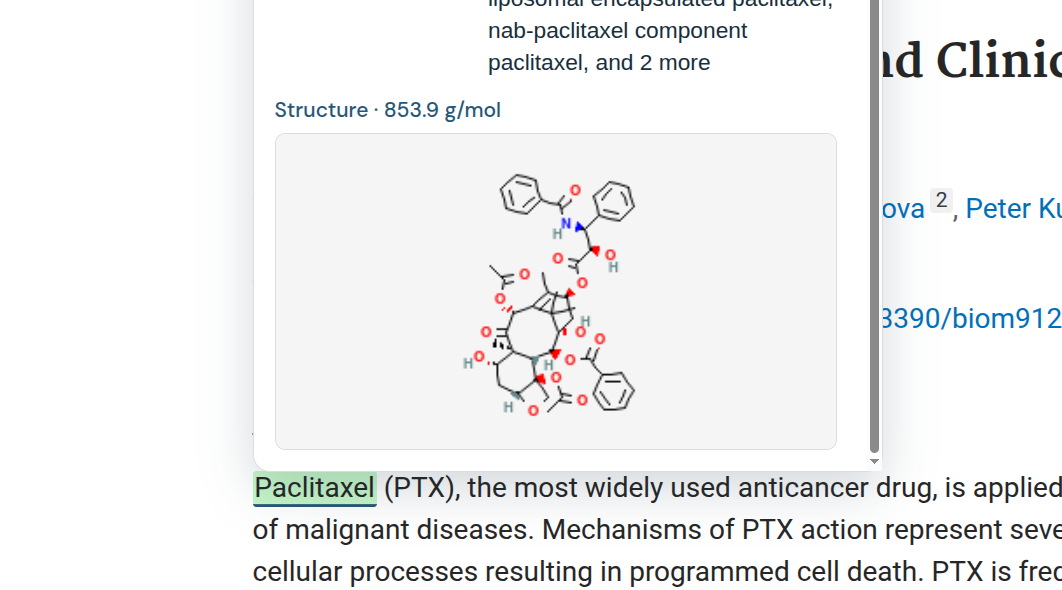
“Drug Name Recogniser: Chemical Structure, Formula & Molecular Weight” Google Chrome extension for pharmaceutical drug names Fast Data Science has developed a Google Chrome extension which finds pharmaceutical drug names in the web page you are viewing. It uses the same lookup as the Drug Named Entity Recognition Python library.

No part of this blog post constitutes legal advice. A common question that came up at the two expert witness conferences which I attended in 2026, was

There are a number of unresolved questions around when and how AI can be used in court documents. A variety of cases have been reported where litigants in person, advocates, or expert witnesses have been admonished or penalised by the courts for undeclared or inappropriate use of AI. In this post, I will focus on AI use in England and Wales, although I have covered some other jurisdictions in an earlier blog post on the topic.
What we can do for you
