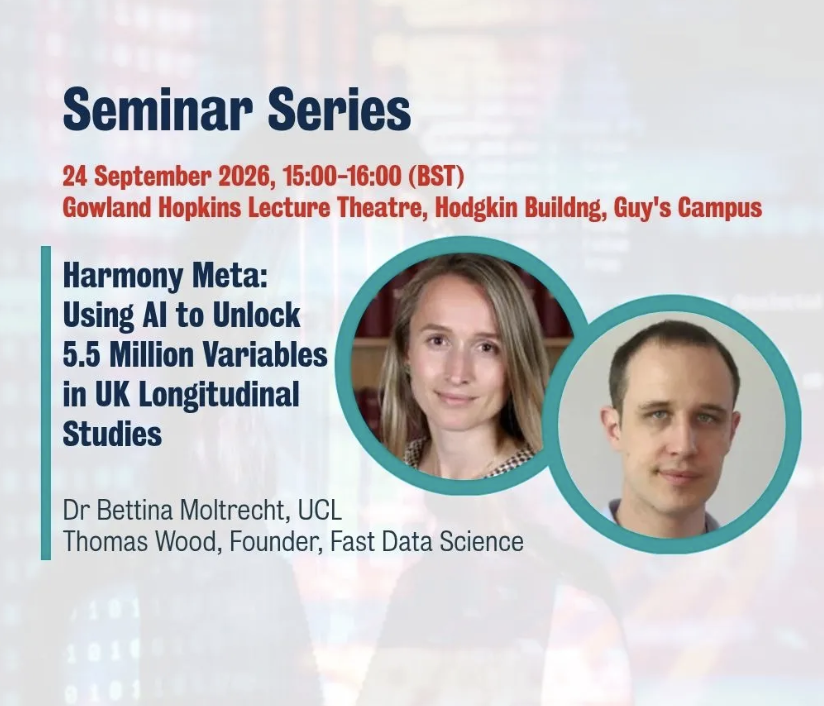
On 29 May, Thomas Wood presented a webinar on how AI and Natural Language Processing (NLP) can transform clinical trials in the pharmaceutical industry.
During the event, Thomas talked about
Thomas Wood also discussed the Clinical Trial Risk Tool, developed by Fast Data Science for clients in the pharma industry (CTOs, trial sponsors) to be able to use NLP and AI to predict trial risk and anticipate costs.
Download the pitch deck for the Clinical Trial Risk Tool
Fast Data Science - London
Fast Data Science is a leading data science consultancy firm providing bespoke machine learning solutions for businesses of all sizes across the globe and specialising in AI in pharma. With a focus on innovation and collaboration, Fast Data Science empowers businesses to leverage the transformative power of data.
Ready to take the next step in your NLP journey? Connect with top employers seeking talent in natural language processing. Discover your dream job!
Find Your Dream Job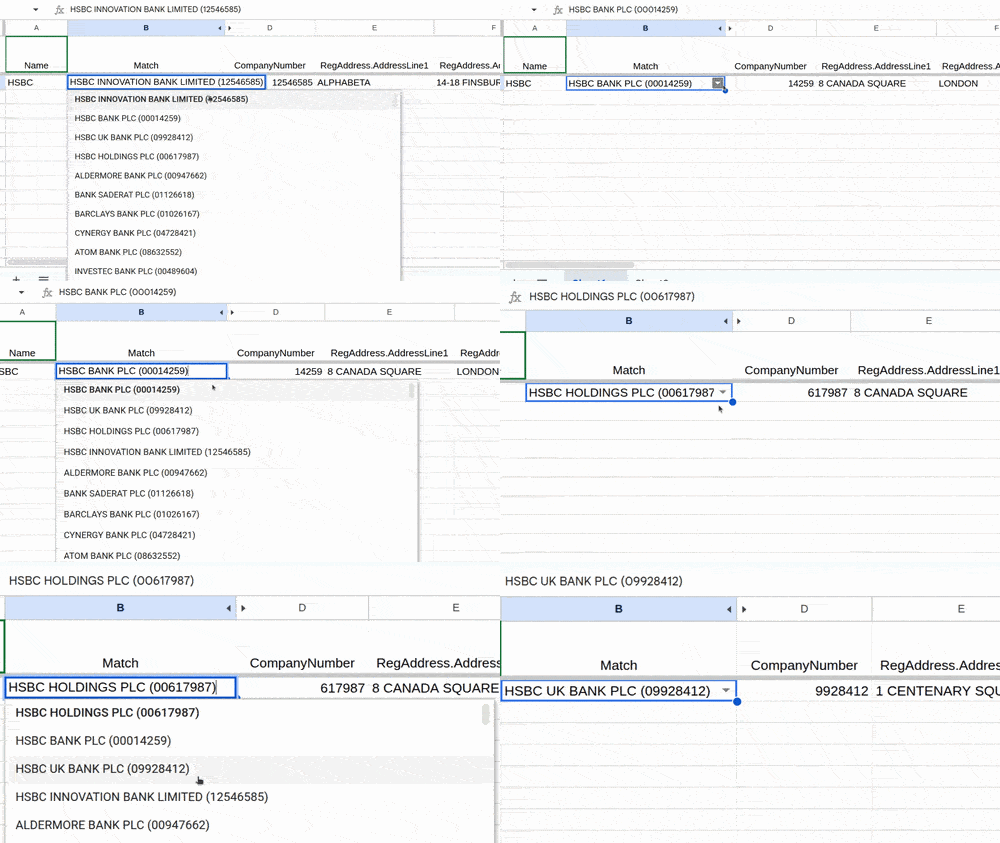
} Fast Data Science are pleased to announce we have updated the UK Company Details Google Sheets™ plugin. The plugin allows you to retrieve details such as company number, incorporation date, address, and directors’ details from Companies House (the UK company registry) and automatically populate them in columns of a Google Sheets™ spreadsheet.
We are all familiar with the general-purpose chatbots like Gemini, GPT, and Claude. Companies and organisations have also been creating internal and external facing special-purpose chatbots, such as those which can book flights, tell you the weather, answer healthcare related queries, or answer questions about government procedures.
What we can do for you