Explainable AI for Businesses AI is moving rapidly and it can be hard to understand how an AI model works and what decisions it makes. Businesses are increasingly turning to Explainable AI (XAI) to demystify the “black box” nature of traditional machine learning models.
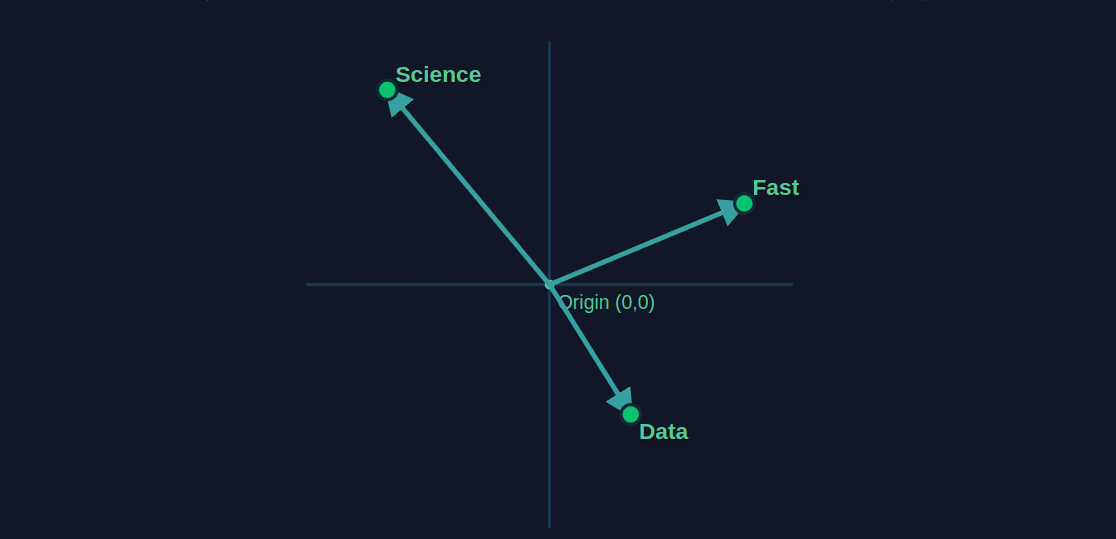
You are probably familiar with traditional databases. For example, a teacher at a school will need to enter students’ grades into a system where they get stored, and at the end of the year the grades would need to be retrieved to create the report card for each student. Or an employee database might store employees’ home addresses, pay grades, start dates, and other crucial information. Traditionally, organisations use a structure called a relational database, where different types of data are stored in different tables, with links between them, and they can be queried using a special language called SQL.

A problem we’ve come across repeatedly is how AI can be used to estimate how much a project will cost, based on information known before the project begins, or soon after it starts. By “project” I mean a large project in any industry, including construction, pharmaceuticals, healthcare, IT, or transport, but this could equally apply to something like a kitchen renovation. This is a very typical business application of AI.
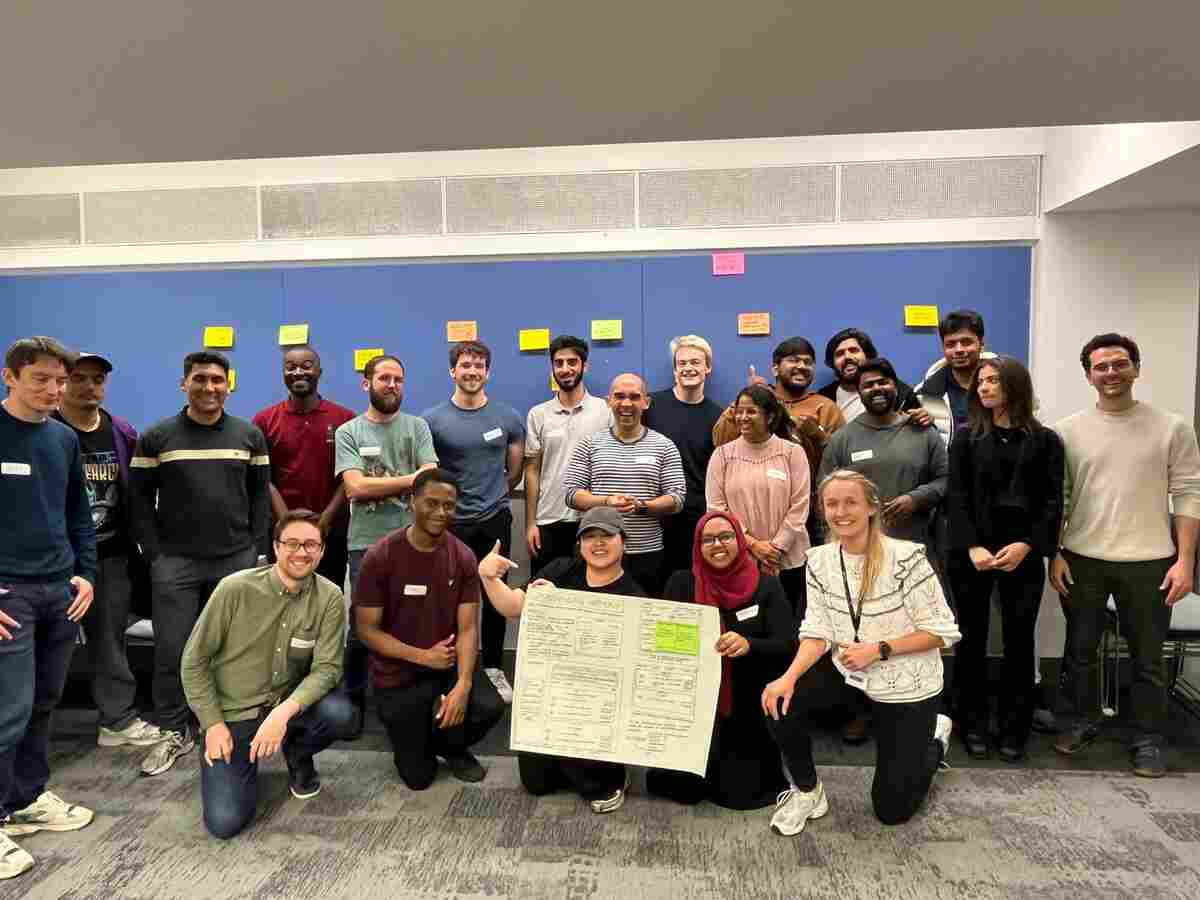
Image above: the winning teams and participants in the Harmony AI hackathon on 3 June 2024 AI Hackathons: A Playground for Innovation
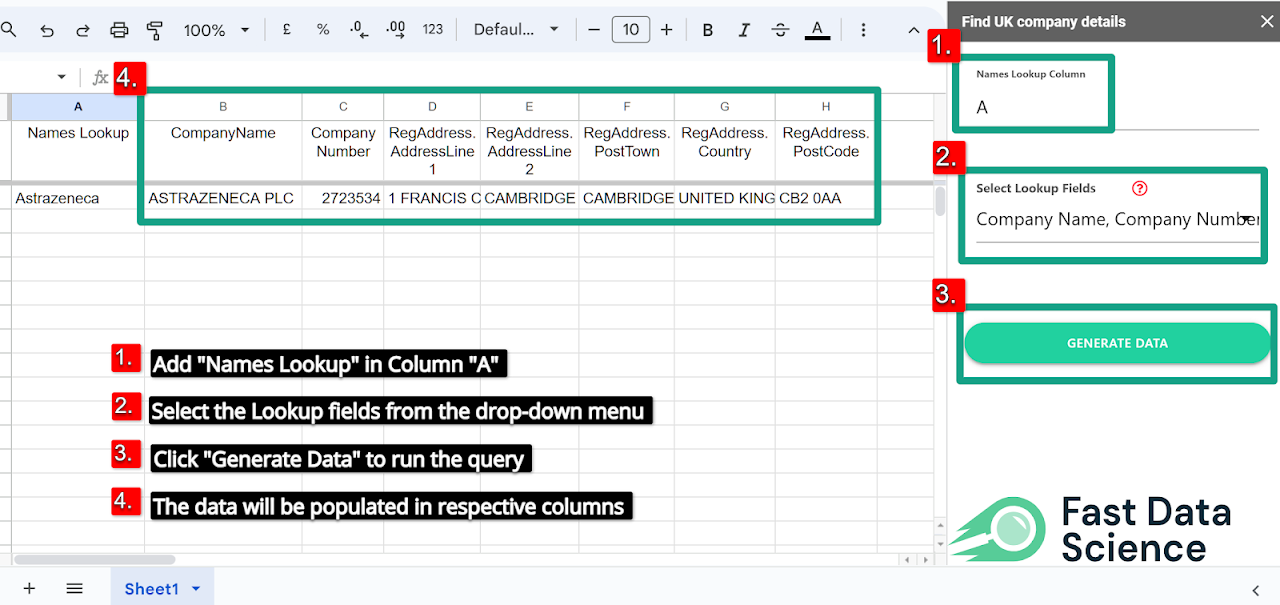
How to look up UK company data from company names (video) Imagine you have a clients list, suppliers list, or investment portfolio…
AI in business and industry Artificial intelligence is a hot topic in business, but many companies are unsure how to leverage it effectively. I will discuss some practical applications of AI, focusing on areas where it can deliver real impact.
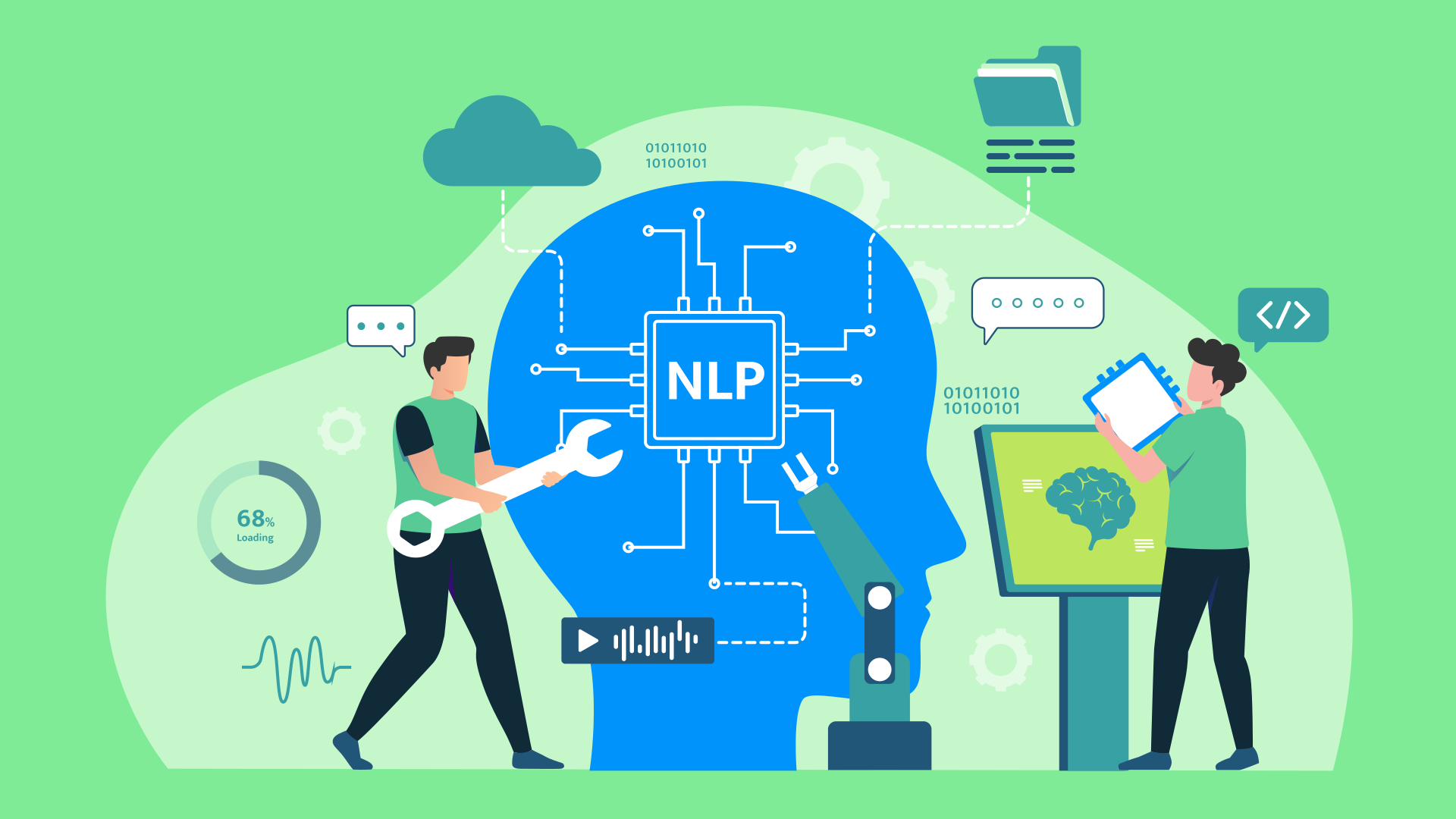
What is NLP in business environments? Natural language processing (NLP) is a branch of AI (Artificial Intelligence), empowering computers to not just understand but also process and generate language in the same way that humans do. A prime example is how Google’s algorithm works to provide relevant results when people enter specific search terms.
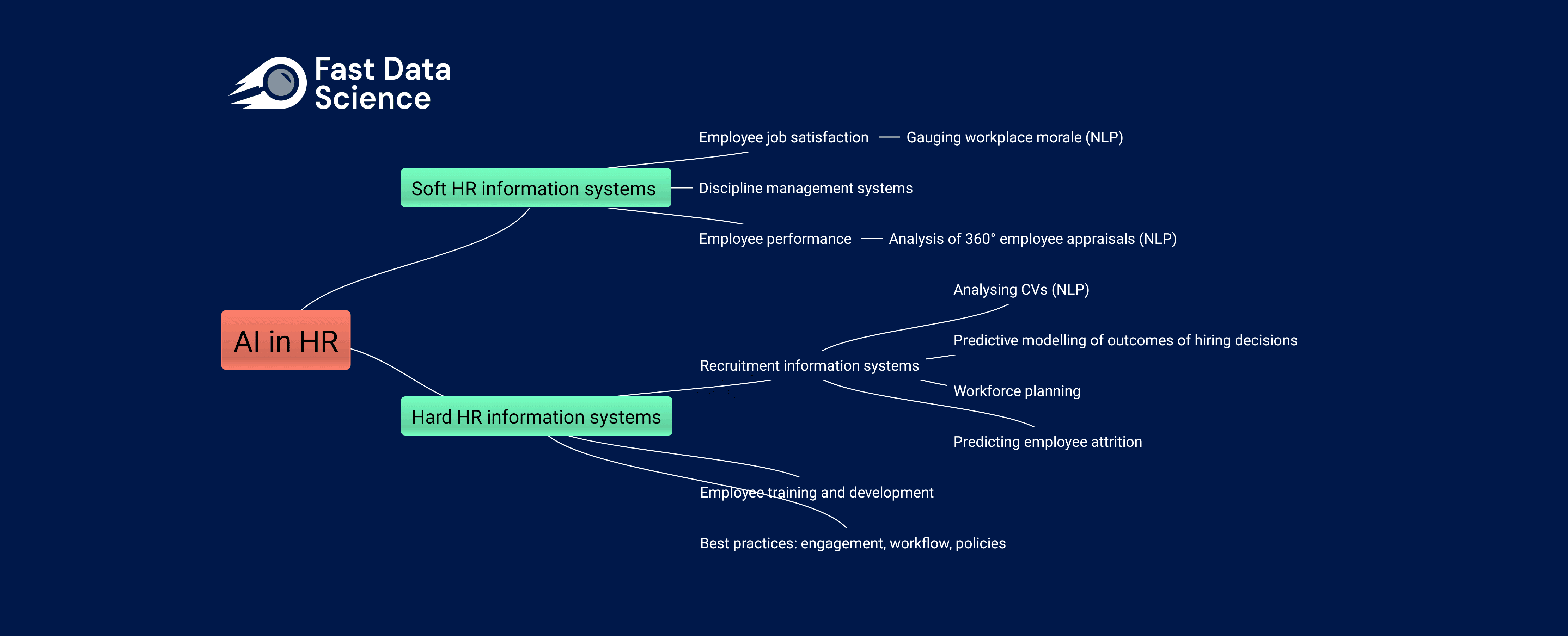
The impact of AI on human resources The world of work is rapidly changing, both due to traditional data science practices being adopted by more organisations, and due to the increasing popularity of generative AI tools such as ChatGPT, and Google’s BARD among non-technical workers. AI has the potential to boost global GDP by 7%, with the loss of millions of jobs, although it will also create new jobs for the displaced workers, according to a 2023 editorial by Goldman Sachs.
When you shop online from a particular merchant for the first time, you handpick a few items you really like. The successive searches you do to buy again in future reveals a nice selection of products which you both find appealing and valuable. Do you think these items that you found interesting and relevant just happen to land in front of you by chance?
What we can do for you