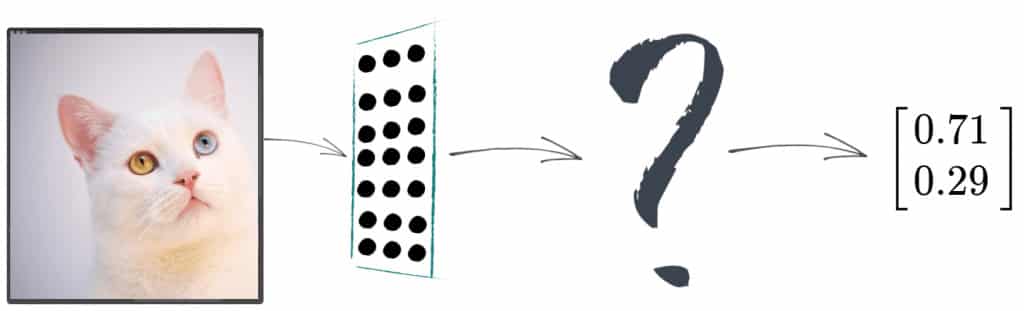
How we explain how a neural network can recognise an image? Sometimes as data scientists we will encounter cases where we need to build a machine learning model that should not be a black box, but which should make transparent decisions that humans and businesses can understand. This can go against our instincts as scientists and engineers, as we would like to build the most accurate model possible.

One challenge that large organisations face today is the problem of understanding and predicting which employees are going to leave the business, called employee turnover prediction or workforce attrition prediction.

Earlier I wrote another post about predicting the spend of a single known customer. There is a related problem which is predicting the total spend of all your customers, or a sizeable segment of them.

Why do we need to predict customer spend? You may have read my previous post about customer churn prediction. Another similar problem that’s just as important as predicting lost customers, is predicting customers’ daily expenditure.

Long forms reduce conversion rates You may have had the experience of filling out a long form on a website. For example, creating an account to make a purchase, or applying for a job, or renewing your car insurance.

Why is face recognition everywhere? Face recognition technology has existed for quite some time, but until recently face analysis was not accurate enough for most purposes. Now it seems that face recognition is everywhere:
What we can do for you
