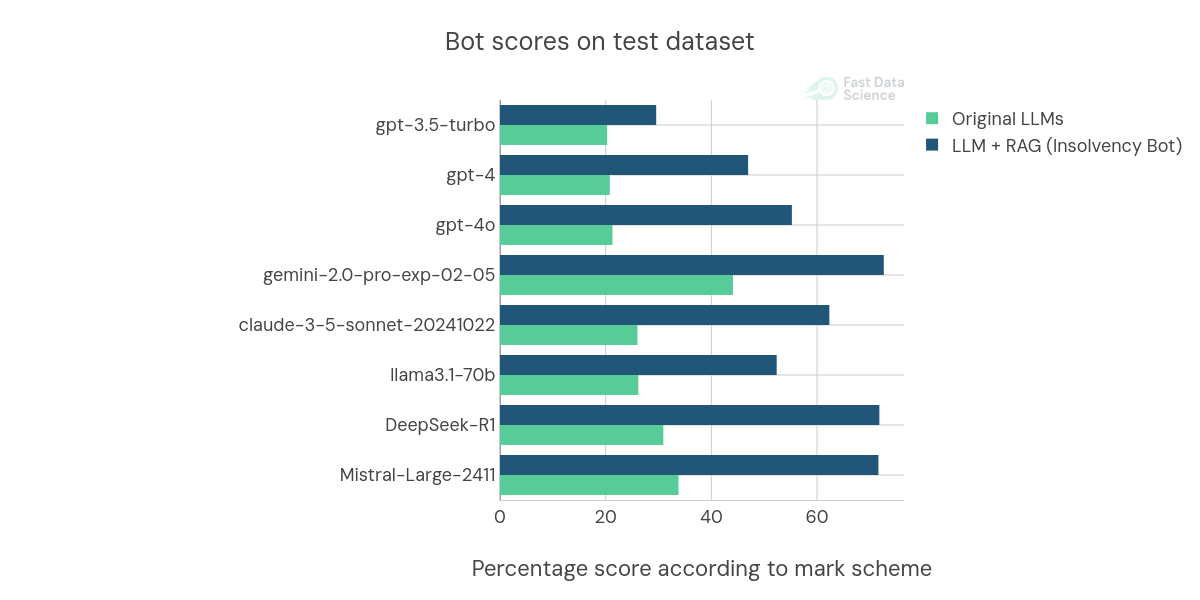
Can AI handle legal questions yet? We have compared the capabilities of the older and newer large language models (LLMs) on English and Welsh insolvency law questions, as a continuation of the Insolvency Bot project.

Fine tuning a large language model refers to taking a model that has already been developed, and training it on more data. It’s a way of leveraging the work that has already gone into developing the original model. Fine tuning is often used to adapt a generalist model for a more specific domain, such as mental health, legal, or healthcare, and in this case it’s also referred to as “transfer learning”.
Generative AI Introduction Generative AI, a subset of AI, is fundamentally transforming industries and shaping the future. Leveraging advanced algorithms, generative AI can create content, designs, and solutions that were previously unimaginable. By using machine learning models such as Generative Adversarial Networks (GANs) and Variational Autoencoders (VAEs), generative AI systems can produce new data that mimics the patterns and structures of the training data.
A new era of AI with Large Language Models and NLP AI has seen remarkable advancements in recent years and one of its most notable ones is the development of LLMs or large language models. LLM and NLP (natural language processing) are two terms often used together as LLM models have pretty much revolutionised the field of NLP – machines can now understand and generate text at an almost human-like level and at an unprecedented scale too.
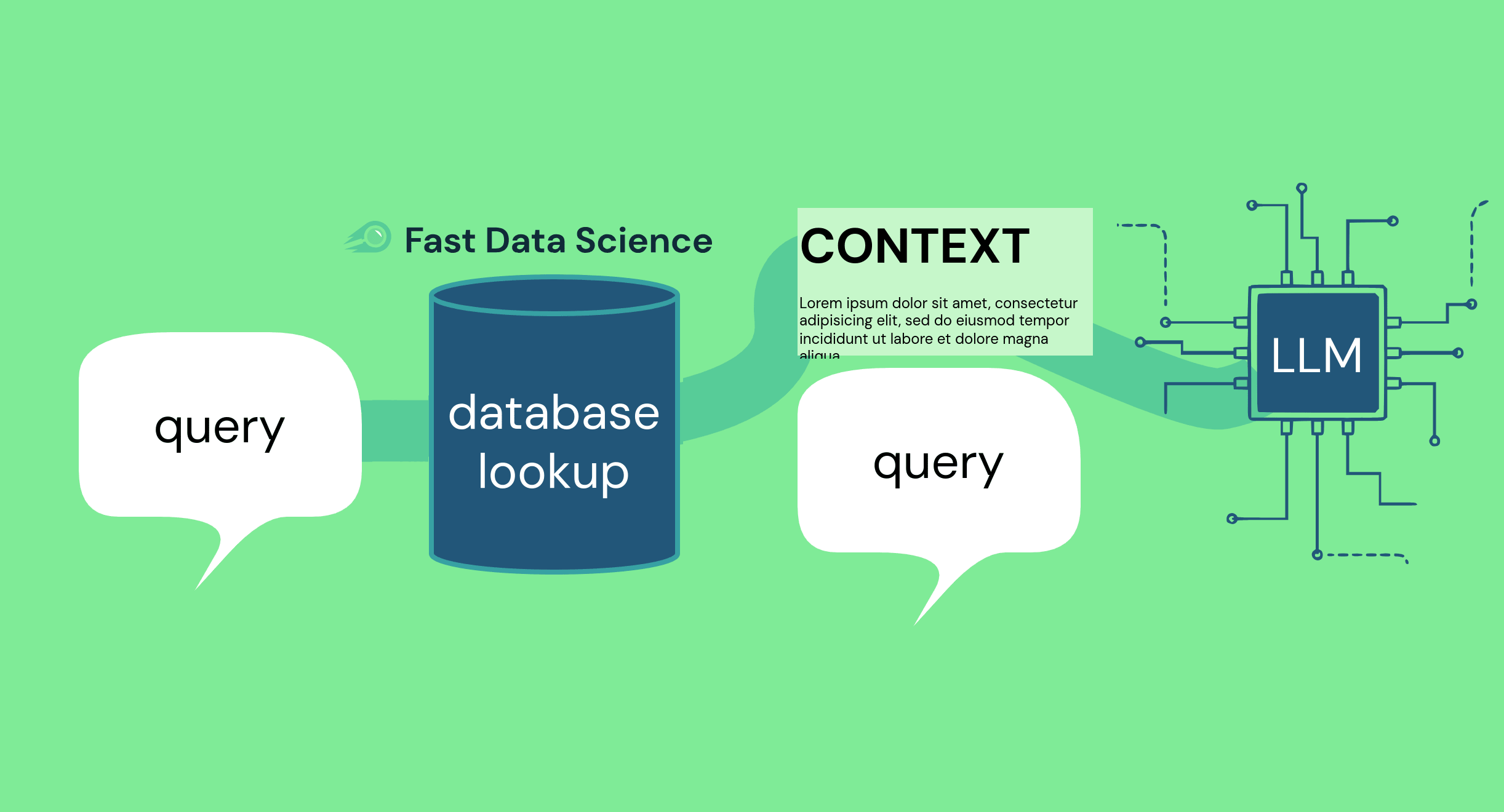
Natural language processing (NLP) is revolutionising how businesses interact with information. But large language models, or LLMs (also known as generative models or GenAI) can sometimes struggle with factual accuracy and keeping up with real-time information.
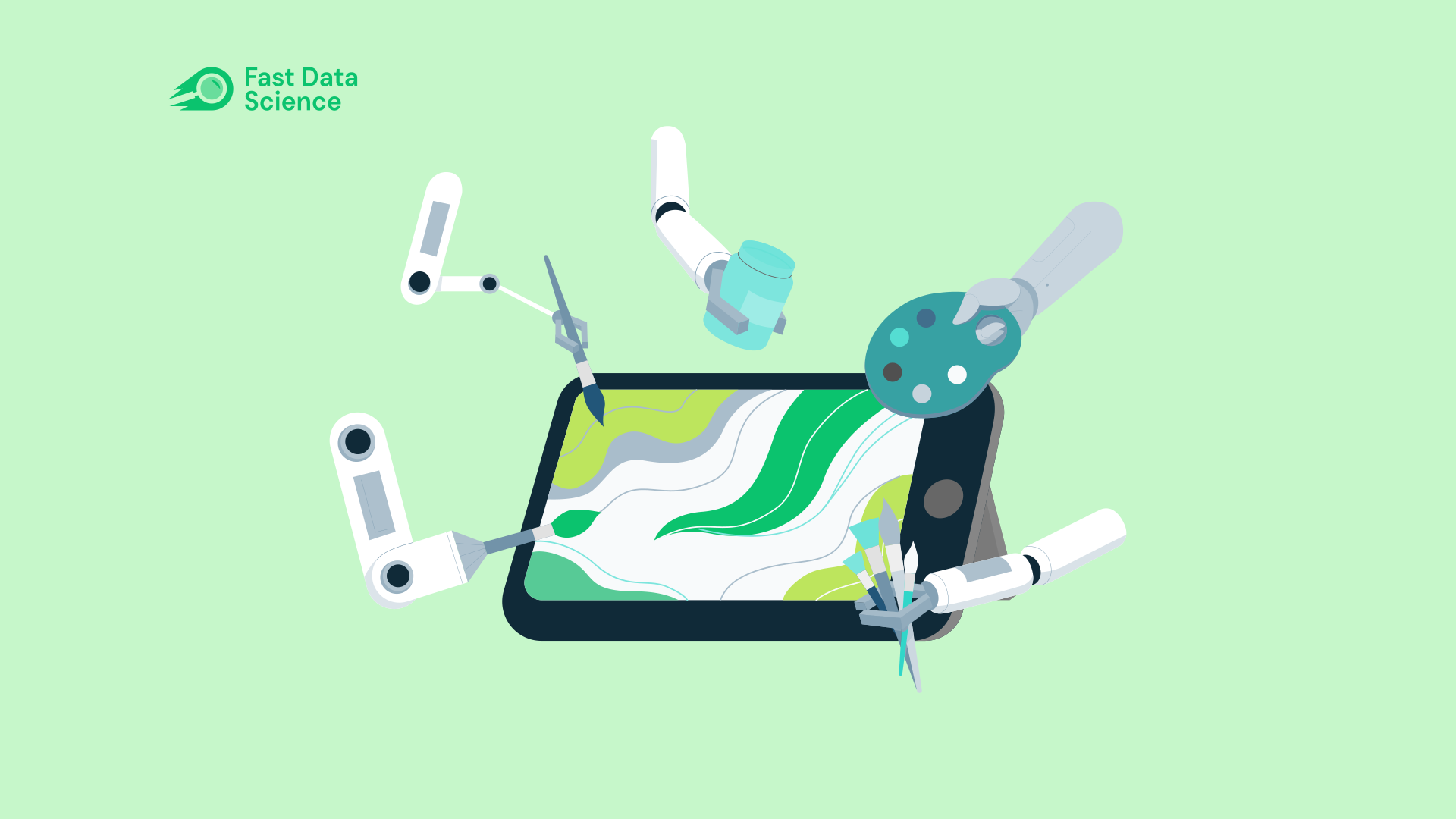
The AI ethics debate: does generative AI harm creative industries? What role will AI play in creative industries in the future? Artists are worried that DALL-E could put them out of a job. Creative writers are raising the alarm about ChatGPT. Hollywood actors are worried about their voices being cloned. Before long, a similar debate could arise about AI-generated music.
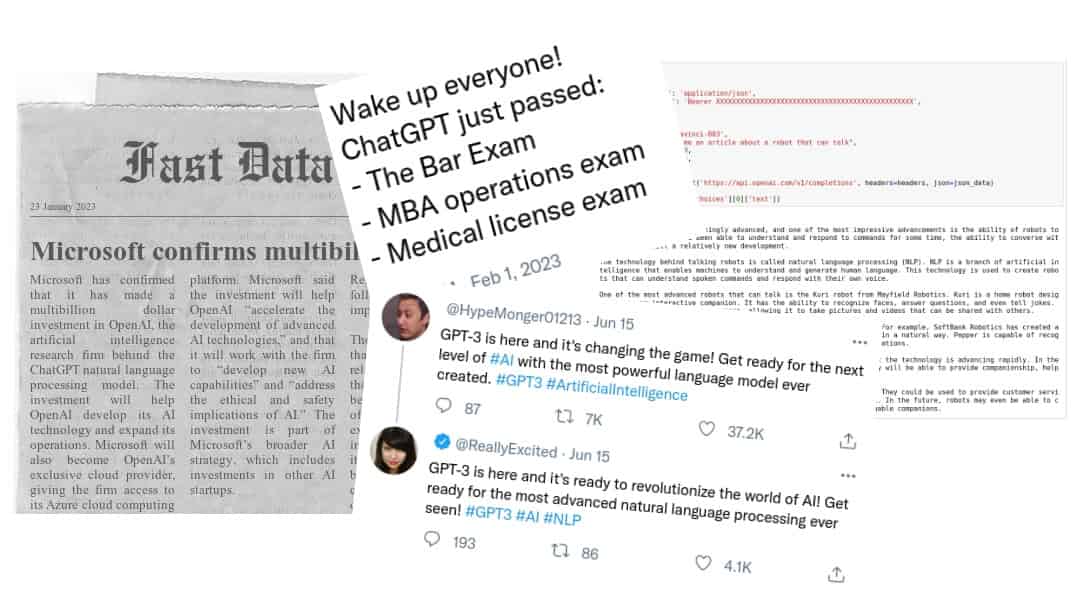
I’m sure you will have seen news articles and social media posts about the recent generation of language models which are able to generate human-like text. For example, I’ve seen claims that OpenAI’s GPT-3 or ChatGPT can write essays, YouTube scripts or blog posts, and even sit a bar exam.
What we can do for you