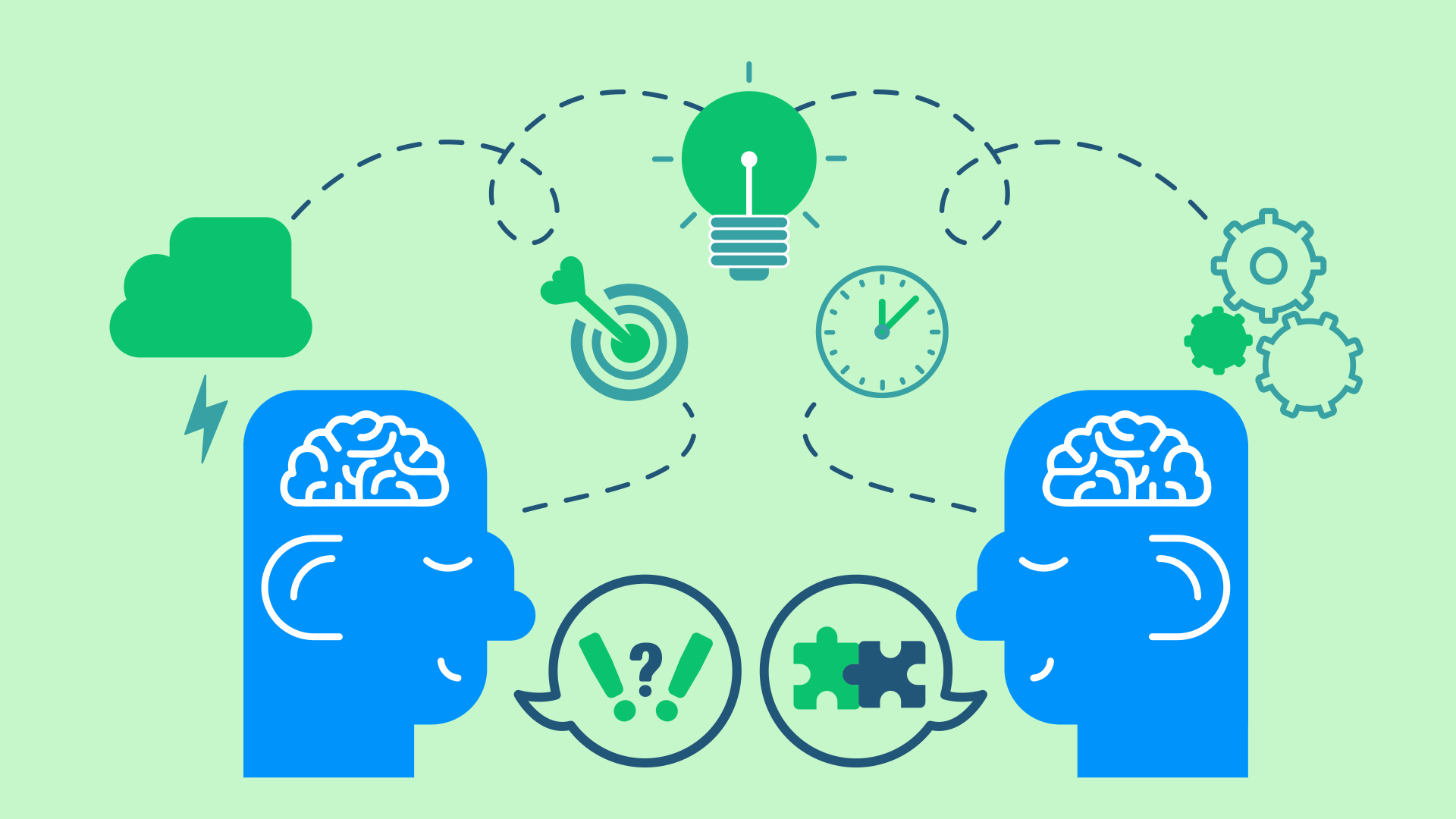
Fine tuning a large language model refers to taking a model that has already been developed, and training it on more data. It’s a way of leveraging the work that has already gone into developing the original model. Fine tuning is often used to adapt a generalist model for a more specific domain, such as mental health, legal, or healthcare, and in this case it’s also referred to as “transfer learning”.
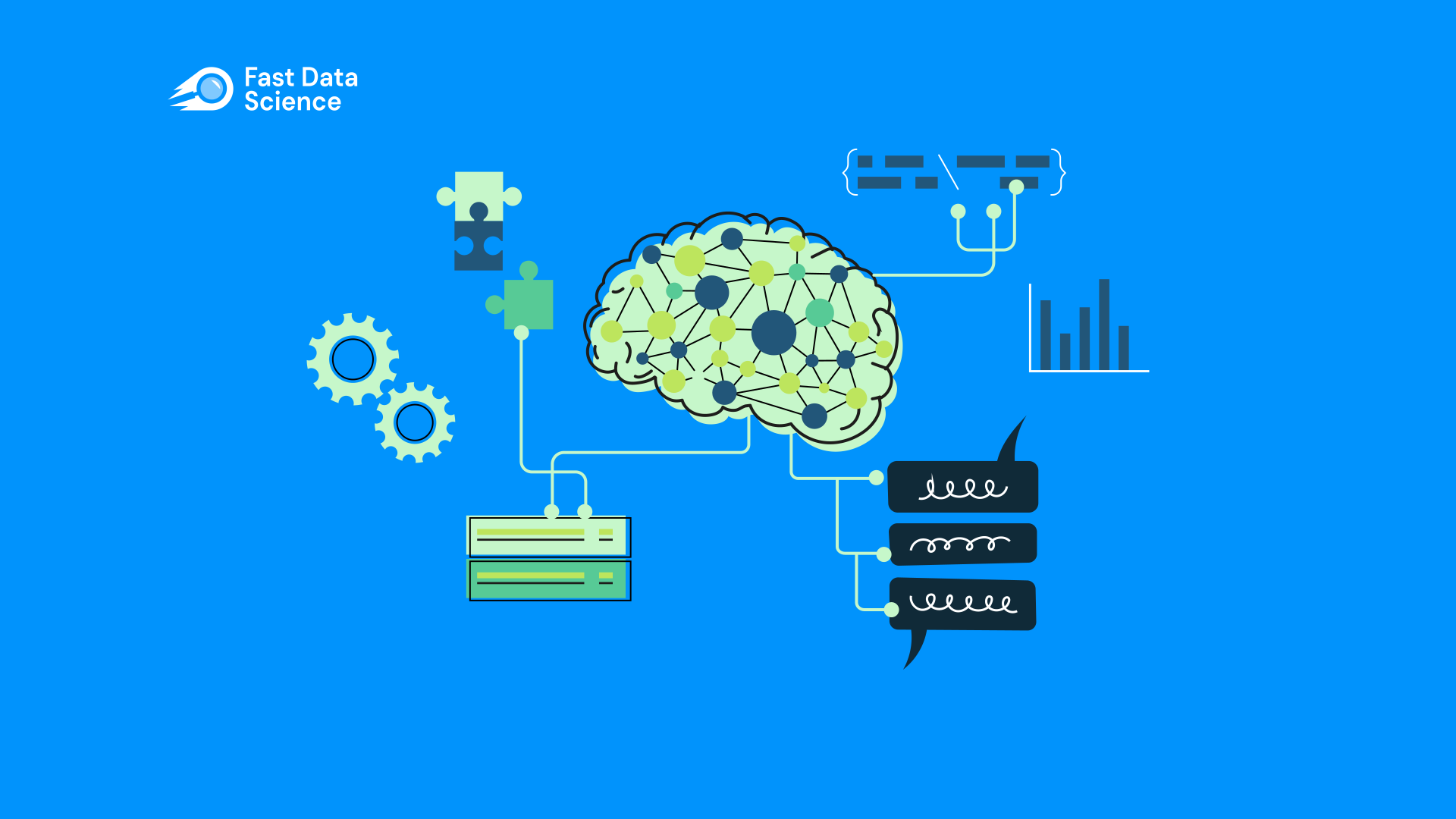
Large language models and neural networks are powerful tools in natural language processing. These models let us achieve near human-level comprehension of complex documents, picking up nuance and improving efficiency across organisations.
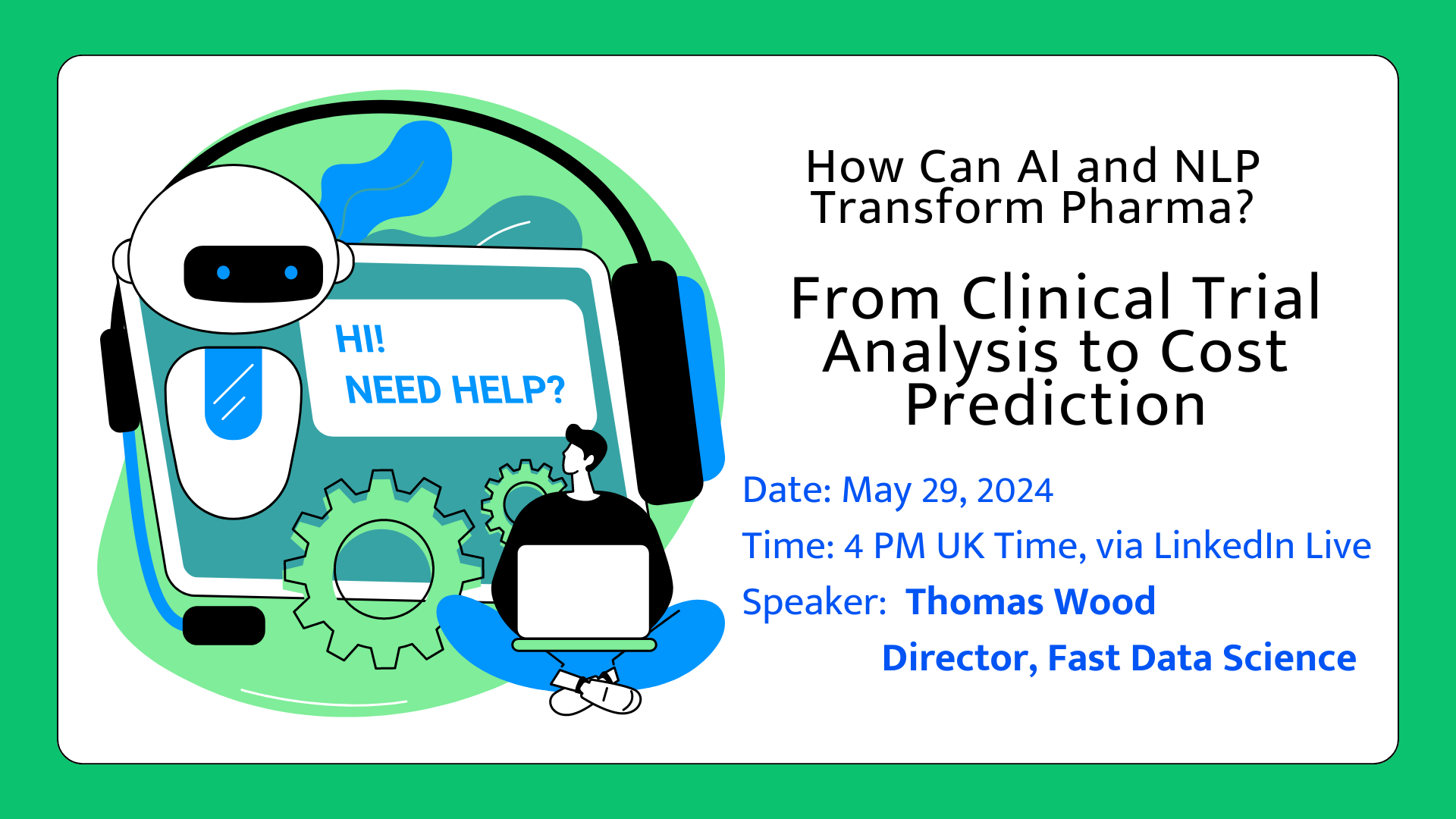
On 29 May, Thomas Wood presented a webinar on how AI and Natural Language Processing (NLP) can transform clinical trials in the pharmaceutical industry.
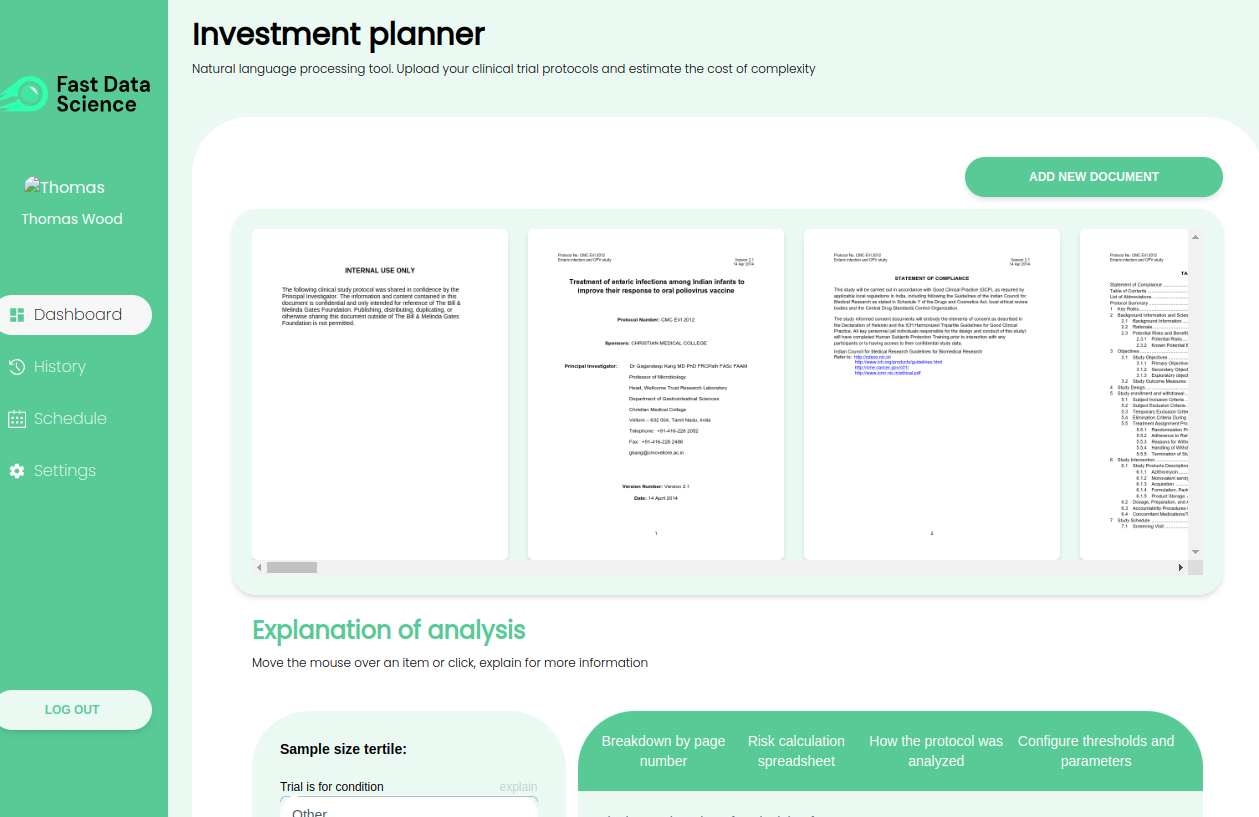
Modelling risk and cost in clinical trials with NLP Fast Data Science’s Clinical Trial Risk Tool Clinical trials are a vital part of bringing new drugs to market, but planning and running them can be a complex and expensive process. A key part of this planning is accurately estimating the cost and risk of a trial. Traditionally, this has involved a team of experts manually sifting through lengthy clinical trial protocols, often hundreds of pages long.
In natural language processing, we have the concept of word vector embeddings and sentence embeddings. This is a vector, typically hundreds of numbers, which represents the meaning of a word or sentence.
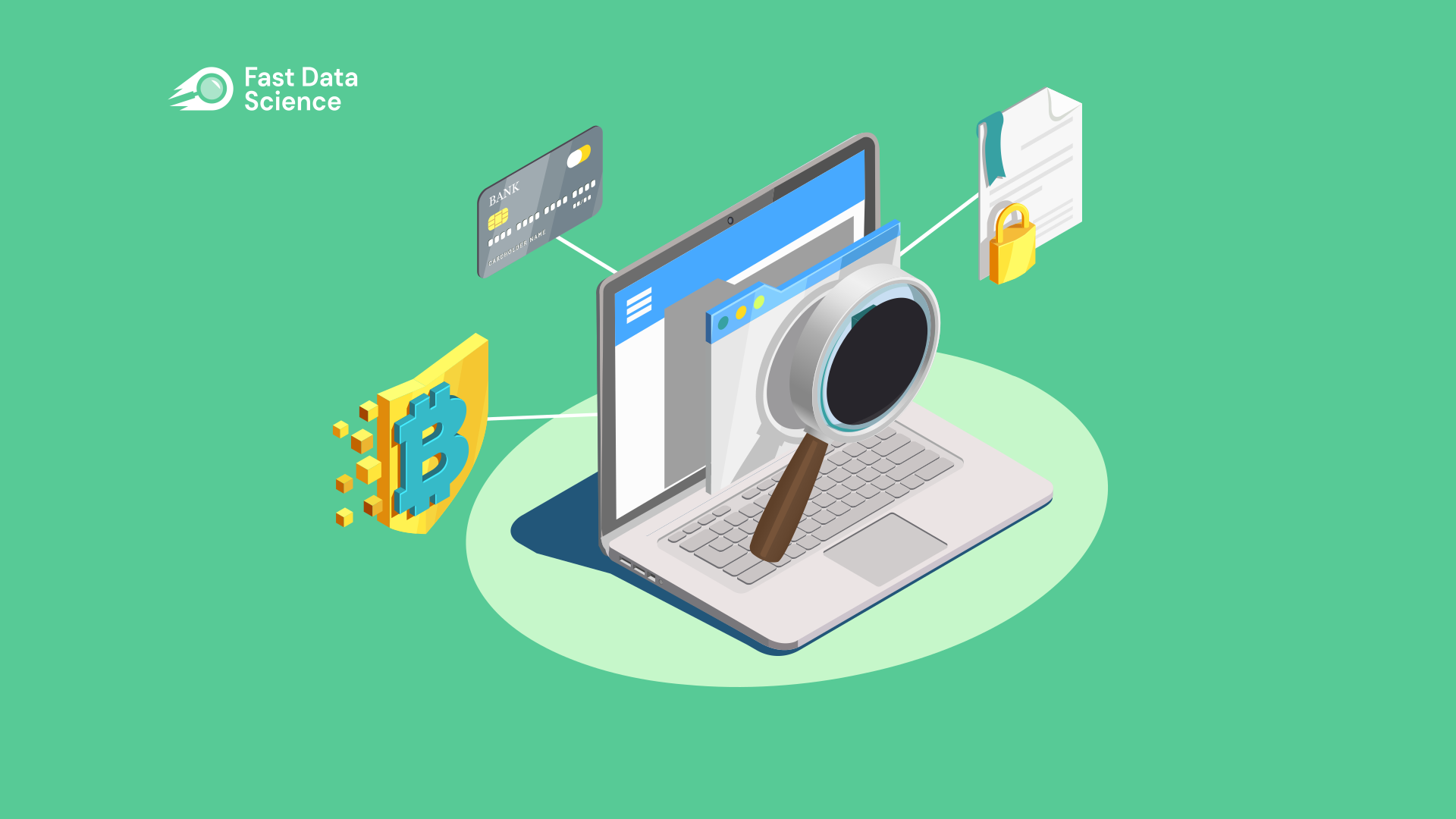
Some finance companies have contacted Fast Data Science with a need for a very customised named entity recognition solution. Clients prepare lists of investments which could be funds or companies, and request a check on those companies.
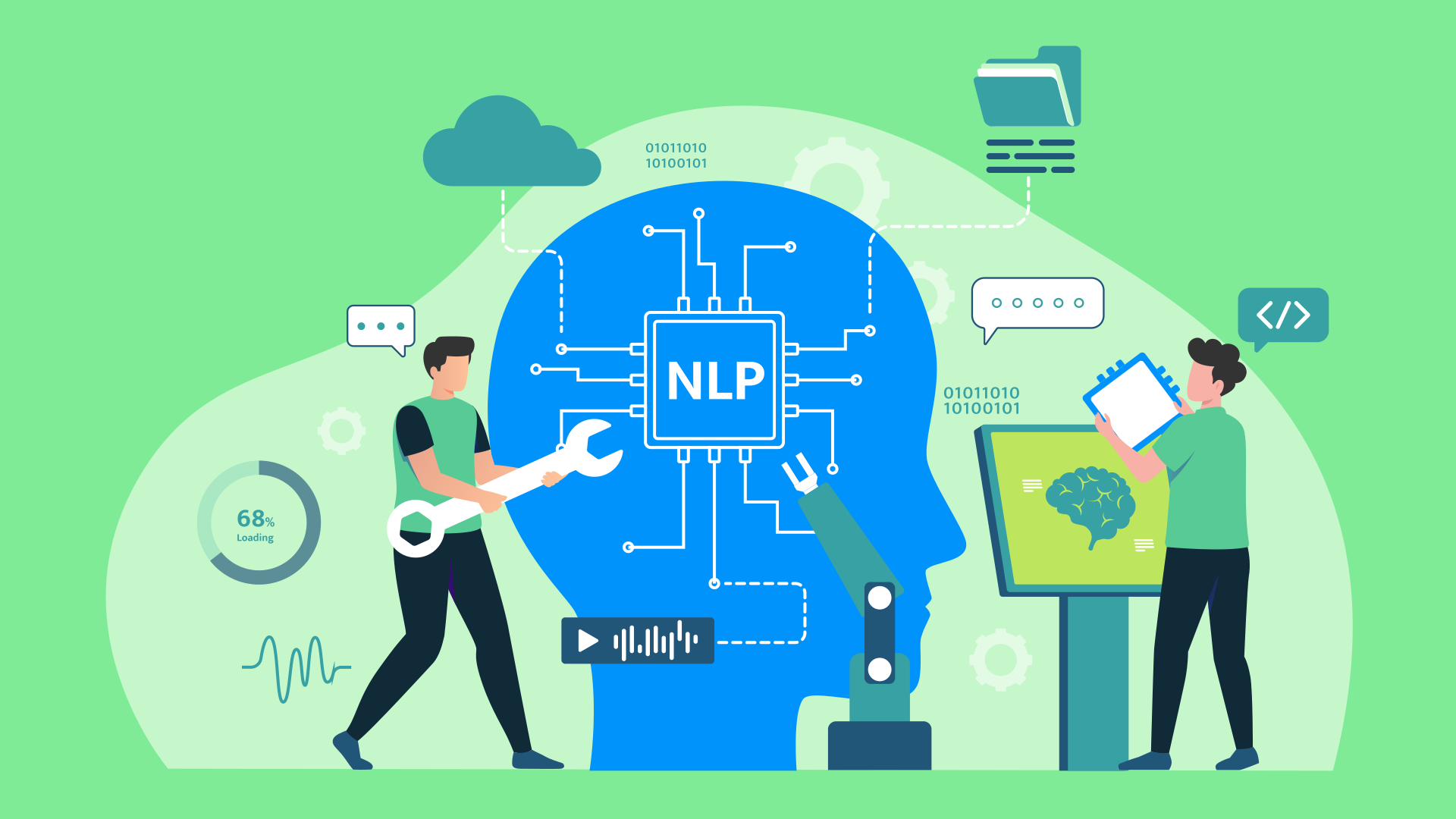
What is NLP in business environments? Natural language processing (NLP) is a branch of AI (Artificial Intelligence), empowering computers to not just understand but also process and generate language in the same way that humans do. A prime example is how Google’s algorithm works to provide relevant results when people enter specific search terms.
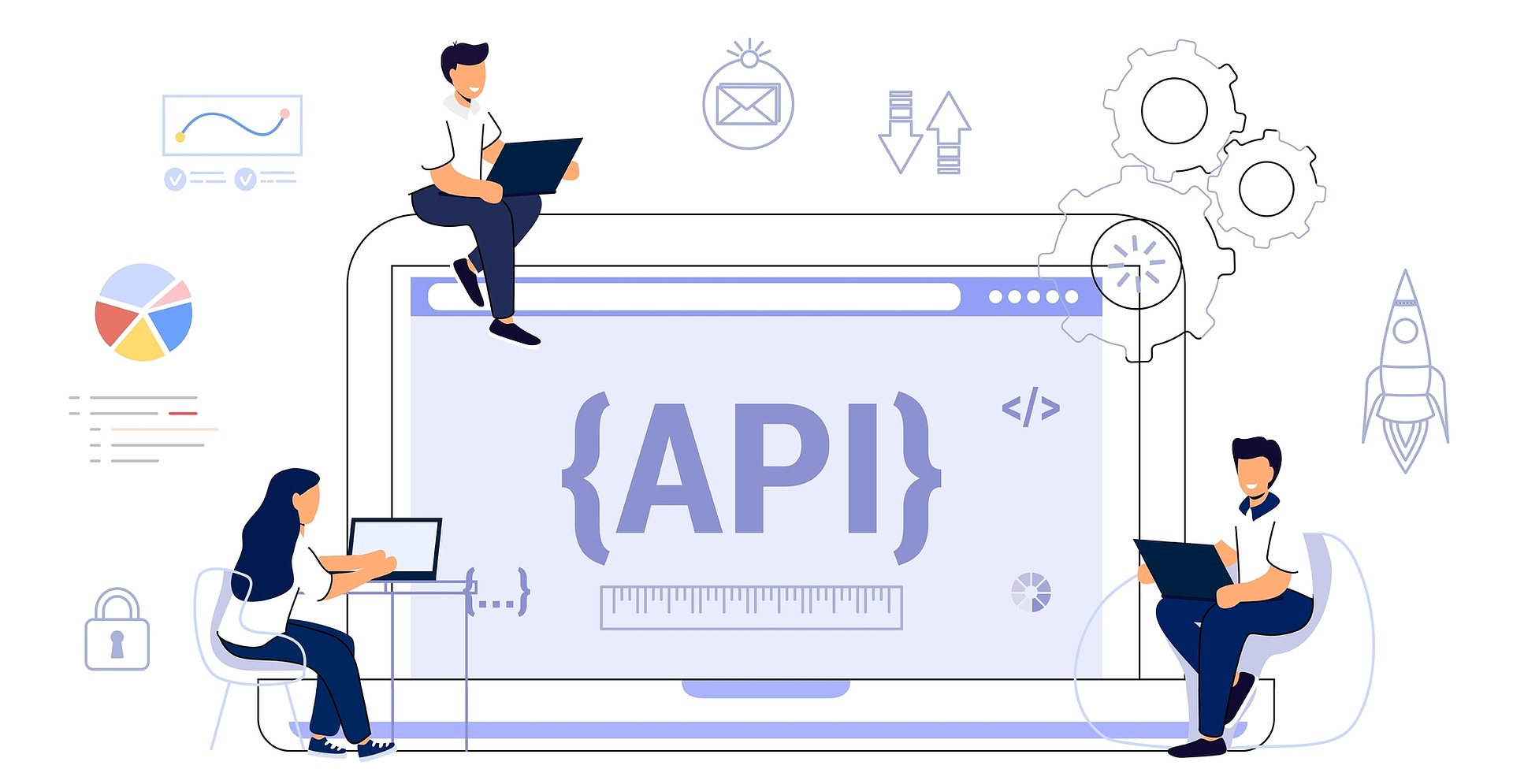
Natural language processing (NLP) is no longer a term that makes people shake their heads and go “huh…?” – on the contrary, most businesses are aware of what it is and the powerful applications it offers through its variety of natural language APIs, text analysis APIs, and text processing APIs.
What we can do for you