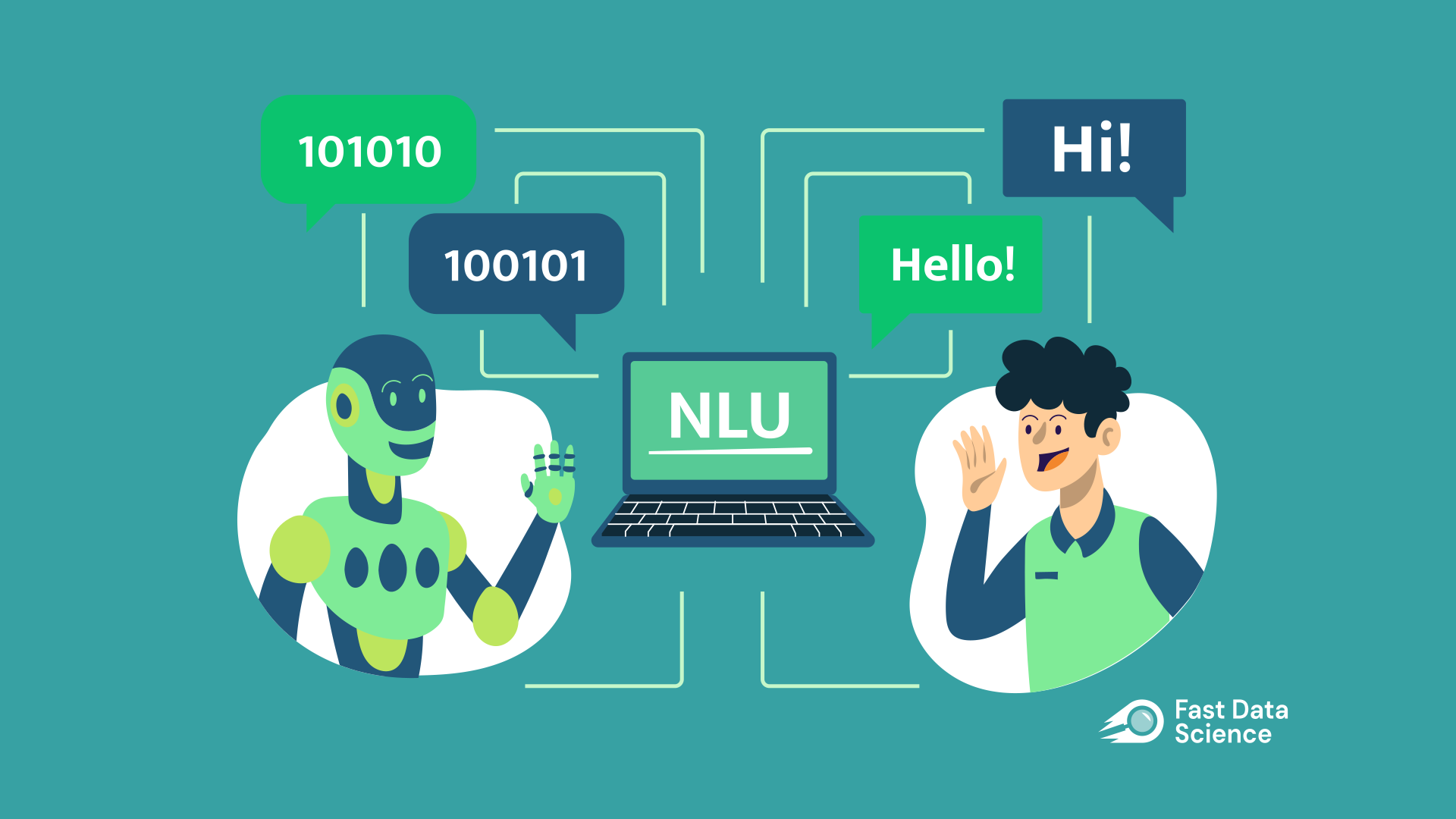
Overview of Natural Language Understanding (NLU) Language is one of the most powerful tools in our arsenal. We use it to express how we feel or what we’re thinking. We can use it to get our point across or persuade someone or even make them laugh or cry. But what if we could use language in a way that could make us understand what someone else was thinking?
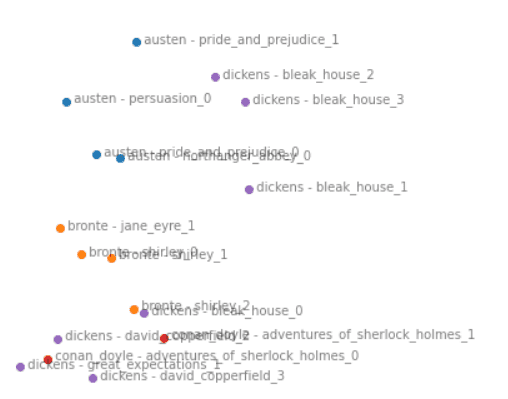
Fast Stylometry Tutorial I’m introducing a Python library I’ve written, called faststylometry, which allows you to compare authors of texts by their writing style. The science of comparing authors’ fingerprints in this way is called forensic stylometry.
In the light of the ongoing climate crisis, let’s talk about the carbon footprint of artificial intelligence. The everyday internet user might find it hard to fathom the fact that using ChatGPT or watching YouTube-recommended videos might generate greenhouse emissions. And, understandably, they could be least concerned about “Green AI” or “Environmental AI” when using these technologies. But for researchers and data scientists, the carbon footprint created as a result of the machines, computers, and digital devices being powered by machine learning (ML) – is a growing concern, especially as global climatic change continues to escalate.
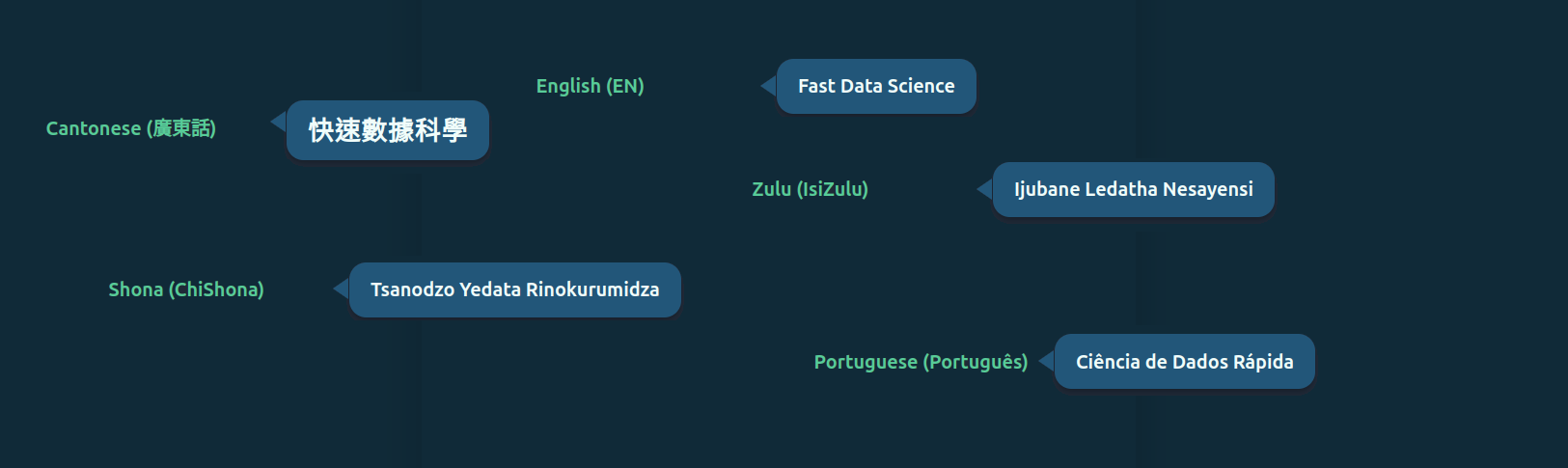
“Thinking too much” I have been working on the development of Harmony, a tool to help psychology researchers harmonise questionnaire items in plain text across languages so that they can combine datasets from disparate sources. One of the challenges put to us by Wellcome, the funders of the mental health data prize research grant for Harmony, was how well does Harmony handle culture-specific concepts? There is an idea in psychology of “cultural concepts of distress”, which is the idea that some mental health disorders manifest themselves in a particular way in different cultures.
Insolvency bot, taking into account some statute law and some forms and some case law We have developed a bot using natural language processing to demonstrate the power of legal AI and legal NLP.
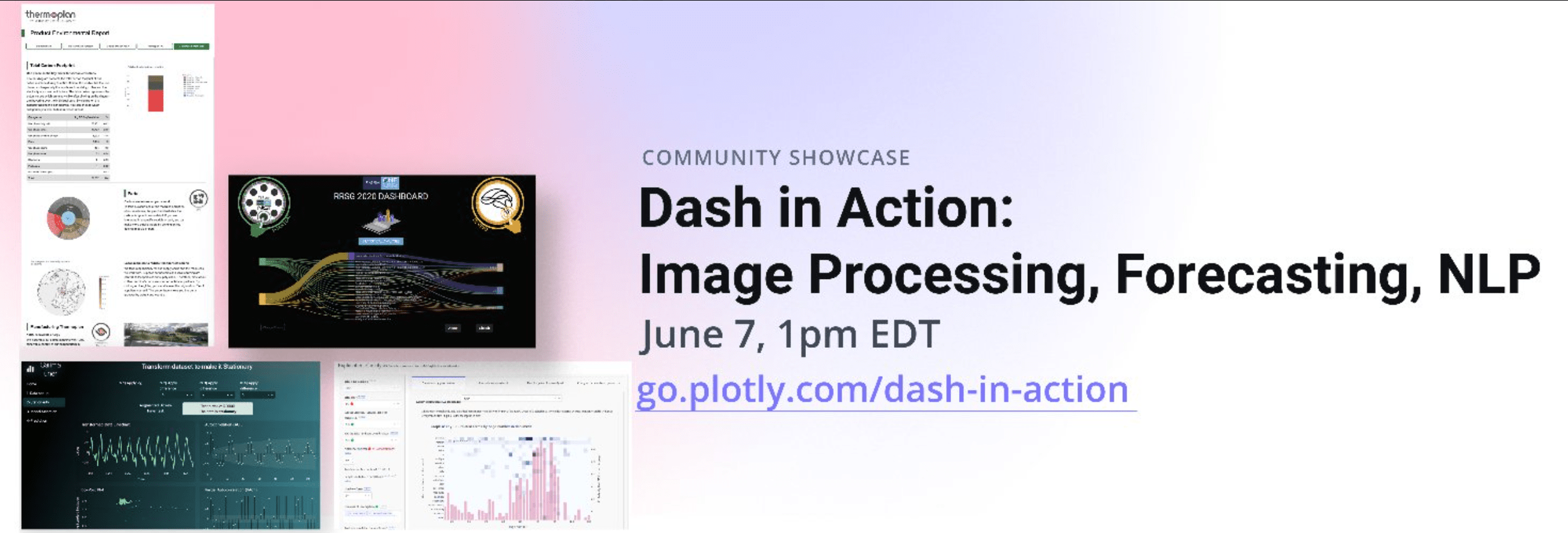
On 7 June, 2023, at 6pm UK time (1pm EDT), we will be presenting in the webinar Dash in Action: Image Processing, Forecasting, NLP. This is a community showcase hosted by Plotly, a company in Canada which makes the graphing software Plotly.
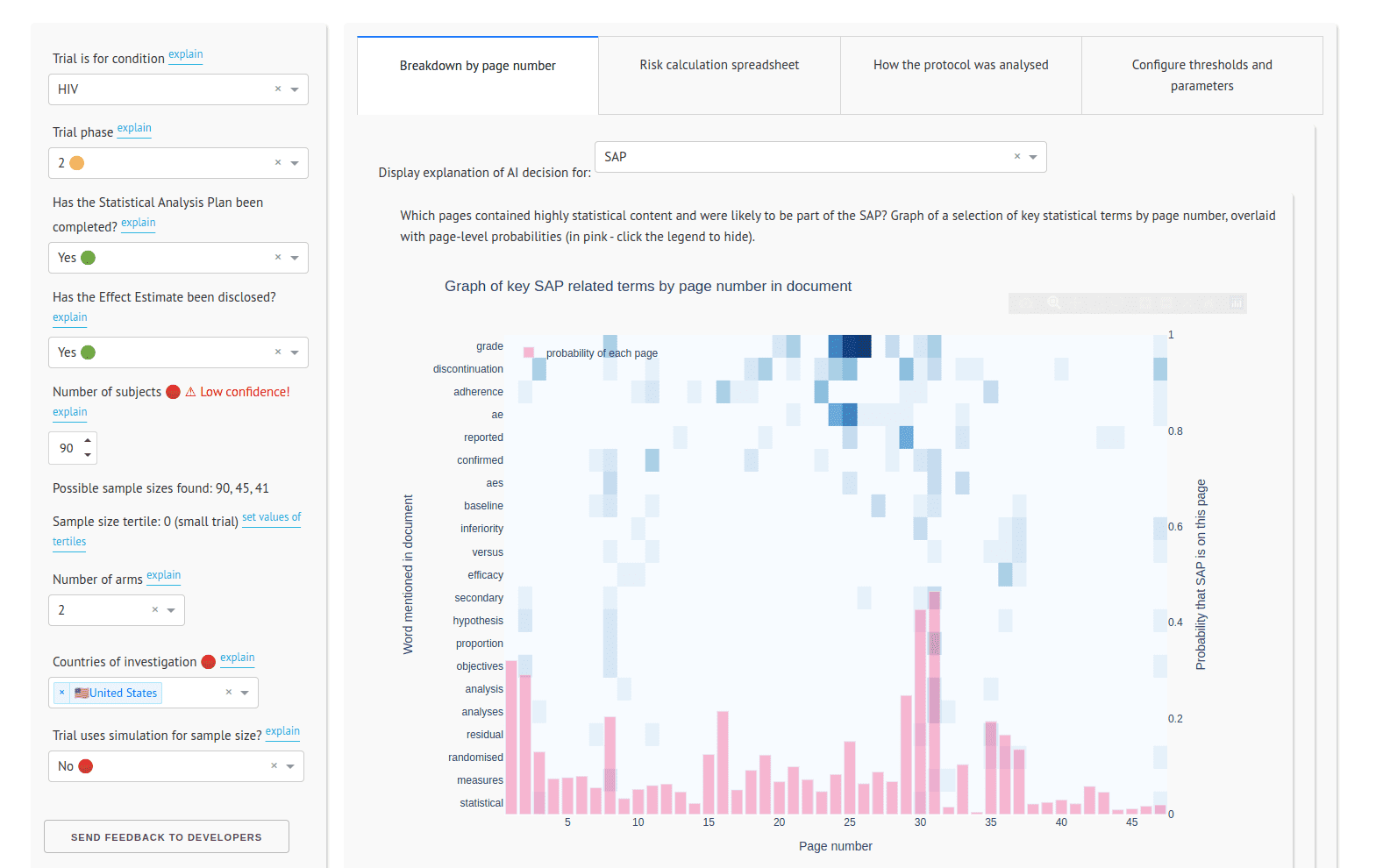
We’re proud to announce that the Clinical Trial Risk Tool has been selected as a winner of the Plotly Dash Example Apps Challenge (2023), out of 25 amazing apps submitted by the community!
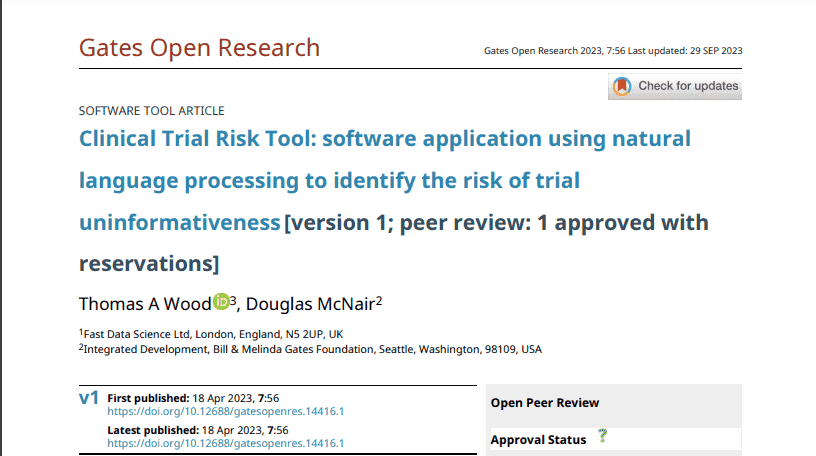
Our NLP research has been published in Gates Open Research! Clinical trials are the backbone of medical progress, but a worrying trend is emerging: a large portion end without delivering useful results. This “uninformativeness” wastes valuable resources and delays advancements.
Read more about AI for business on fastdatascience.com
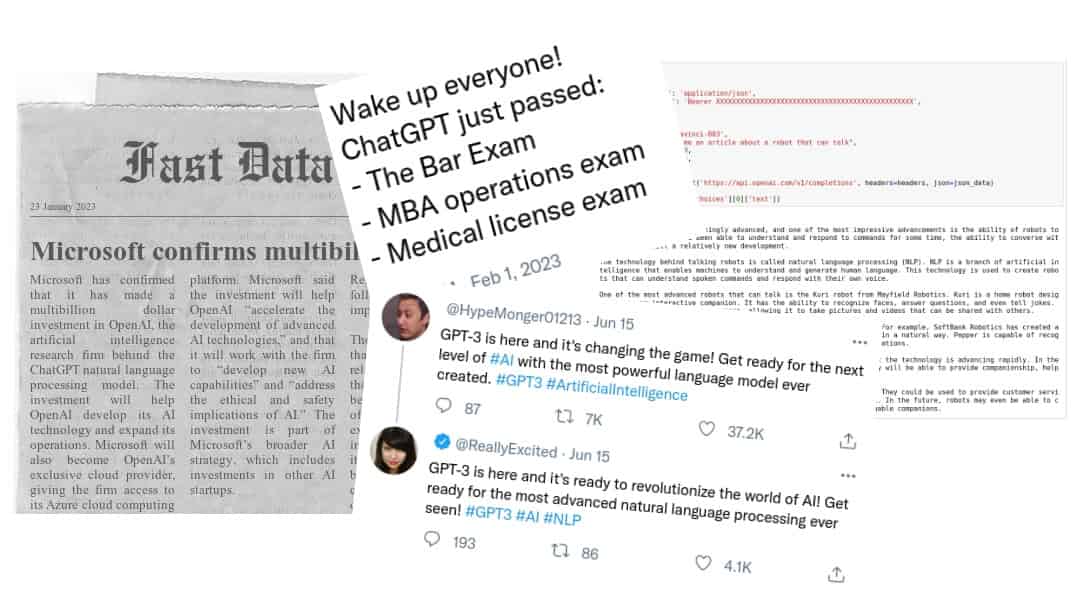
I’m sure you will have seen news articles and social media posts about the recent generation of language models which are able to generate human-like text. For example, I’ve seen claims that OpenAI’s GPT-3 or ChatGPT can write essays, YouTube scripts or blog posts, and even sit a bar exam.
What we can do for you