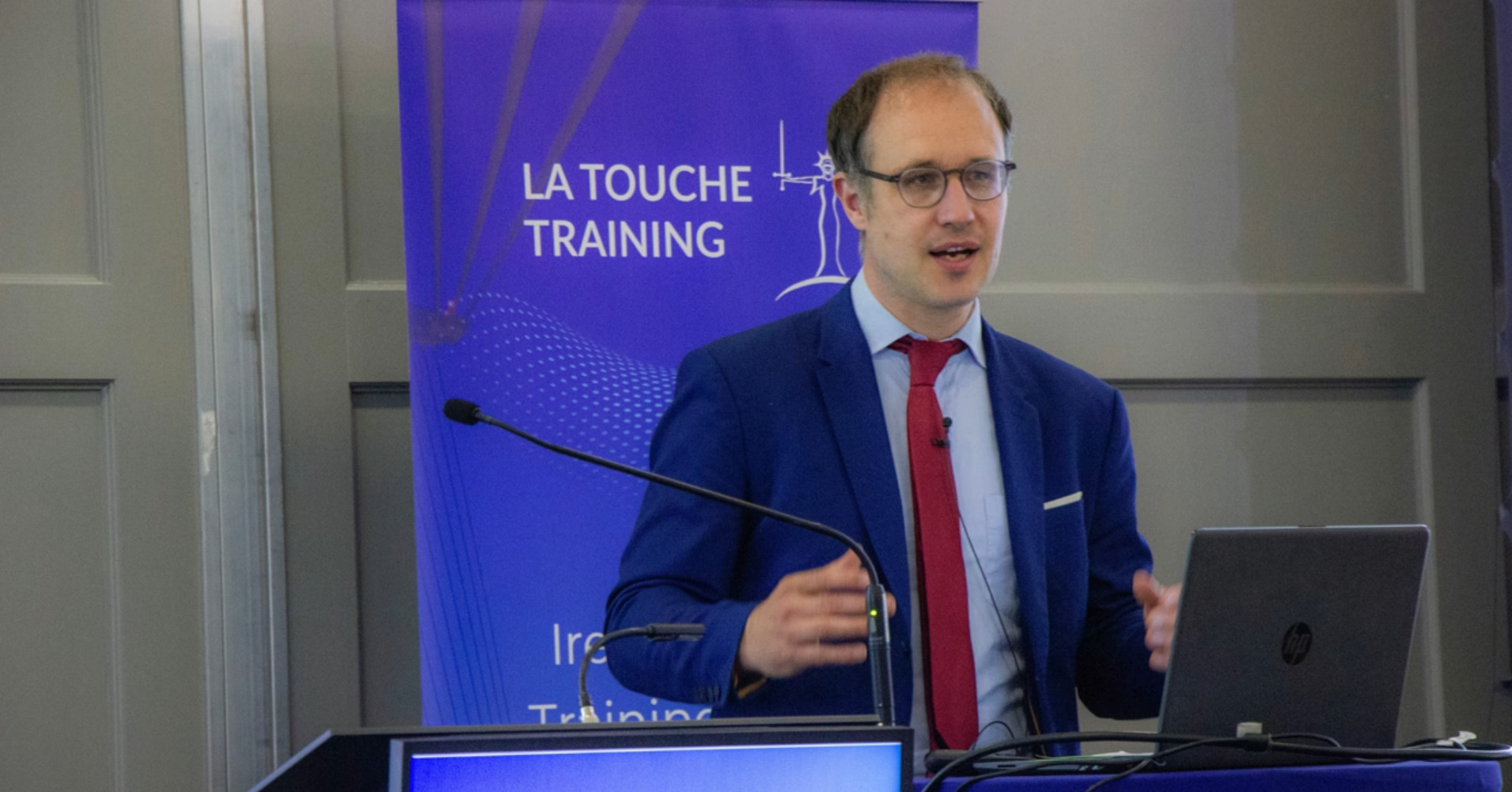
We are pleased to announce that Thomas Wood, director of Fast Data Science, will be appearing as a panelist at the Bond Solon Expert Witness Conference on 6 November 2026 at Church House, Westminster in London. This follows Thomas’s recent appearance at the Ireland’s Expert Witness Conference on 20 May 2026.
This is an article based on my presentation on “The Role of Artificial Intelligence in Expert Investigations and the Preparation of reports” which I gave at the Expert Witness Conference on 20 May 2026.
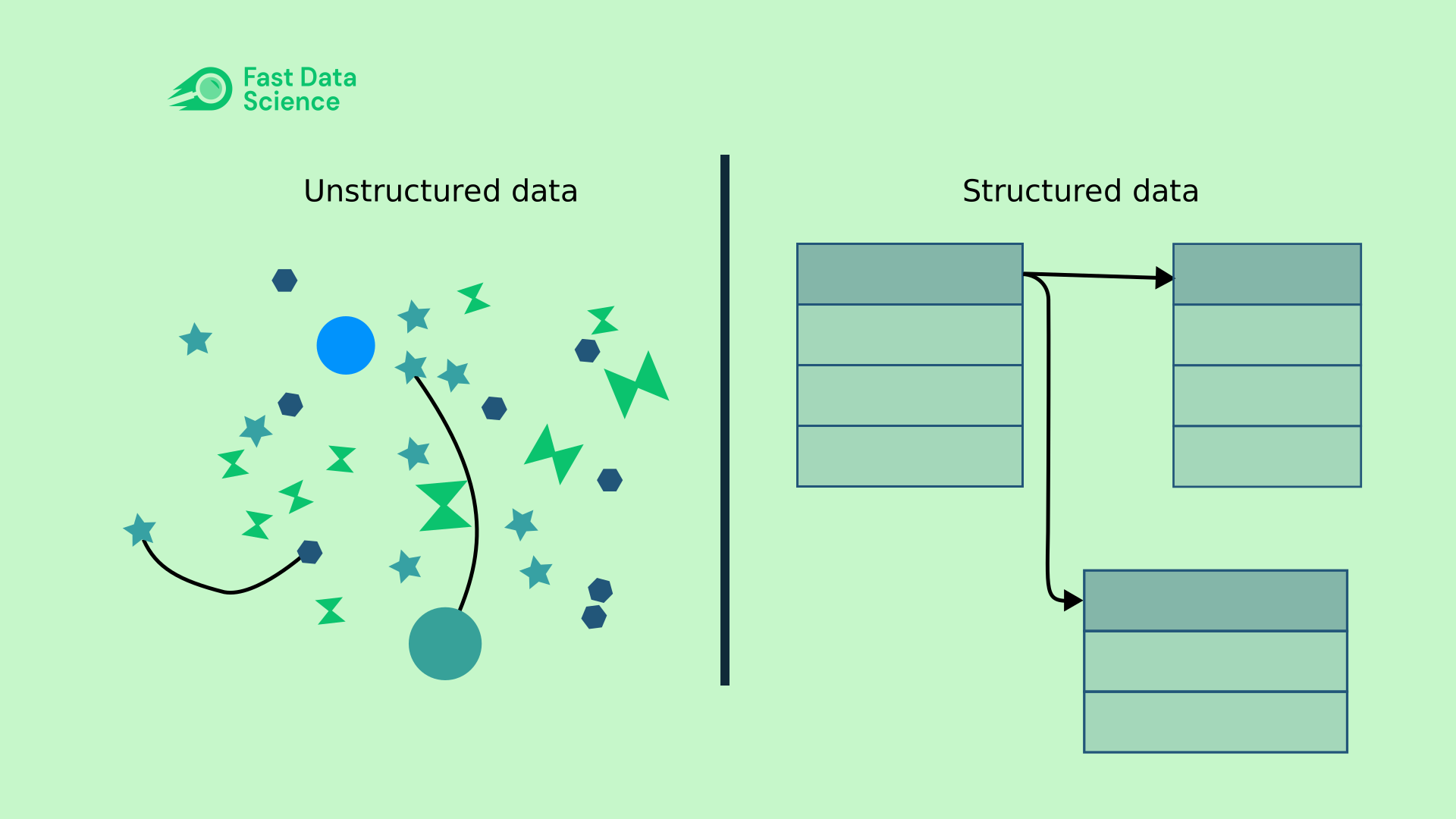
Many companies and organisations have large datasets that are stored in a very unstructured format. For example, you could work for a US based healthcare provider or insurer and have patient records stored in a free text format such as HL7 files or PDFs. A building regulator, land registry, or mortgage provider may have texts and accompanying diagrams from thousands of building inspections or land title deeds. A patent attorney’s office may have records of patent applications in PDF format.
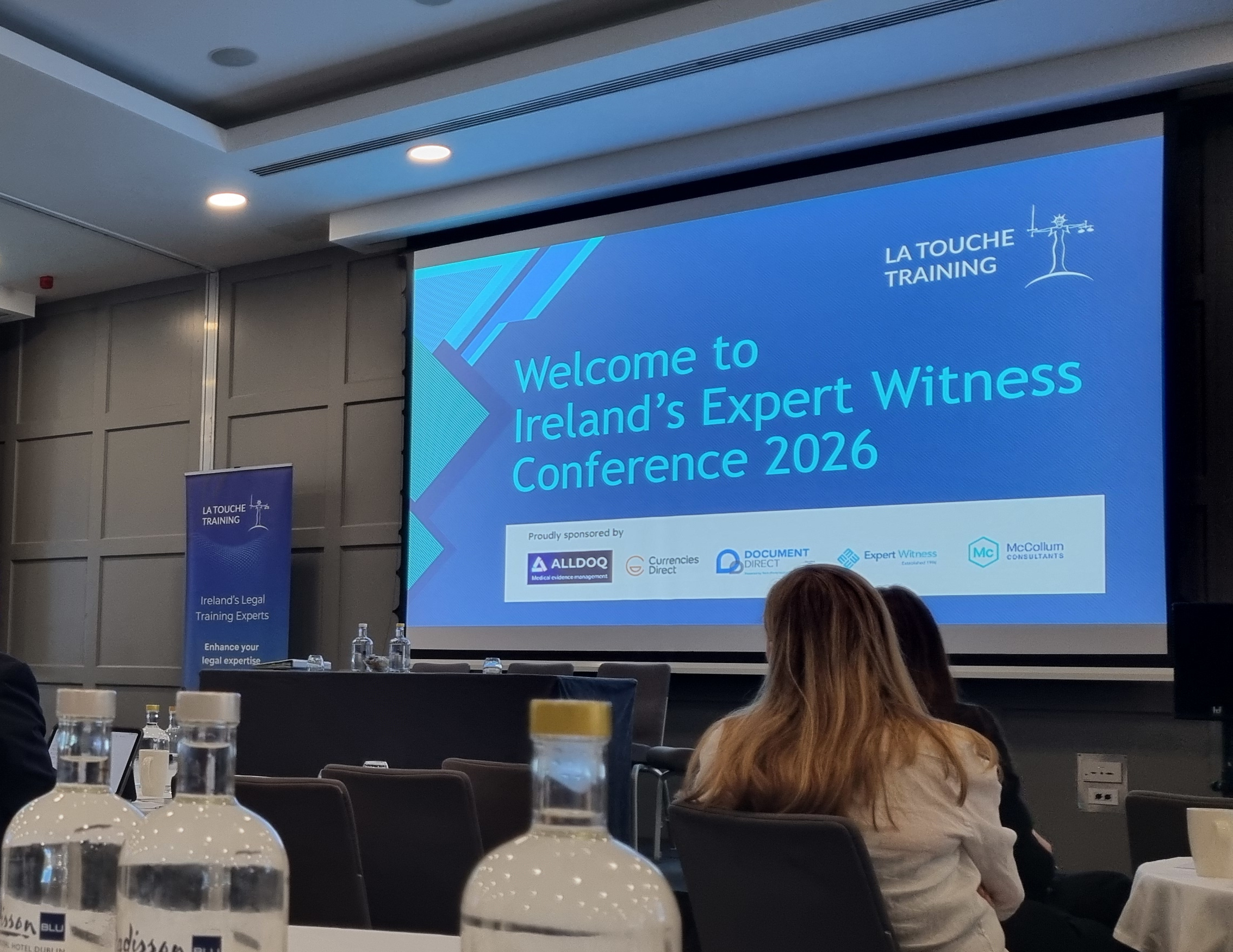
On 20 May, I attended the Expert Witness Conference in Dublin, Ireland, organised by La Touche Training. It was an eye opening event with a mixture of lawyers and expert witnesses in different fields from Ireland and abroad. The event was chaired by Mr Justice Michael Peart, with a keynote address by the Honourable Mr Justice David Barniville, President of the High Court of Ireland.
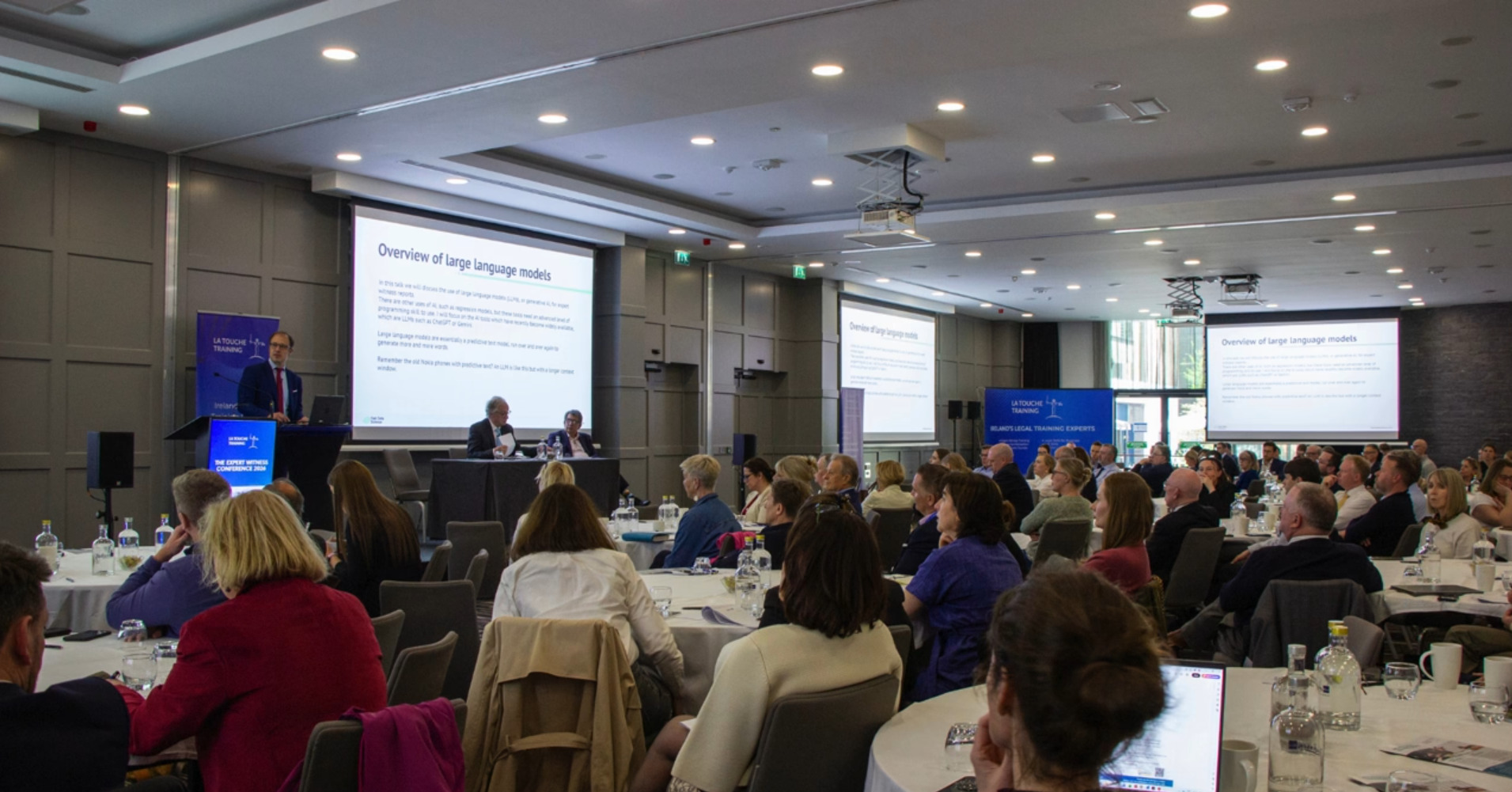
Fast Data Science at Ireland’s Expert Witness Conference on 20 May 2026 in Dublin Links to guidance on legal AI issued by legal authorities and other organisations Official guidance UK: Artificial Intelligence (AI) Guidance for Judicial Office Holders, 31 October 2025. https://www.judiciary.uk/wp-content/uploads/2025/10/Artificial-Intelligence-AI-Guidance-for-Judicial-Office-Holders-2.pdf
Unlock your business potential with expert AI consulting services from Fast Data Science. Discover strategies to accelerate growth and outperform competitors.
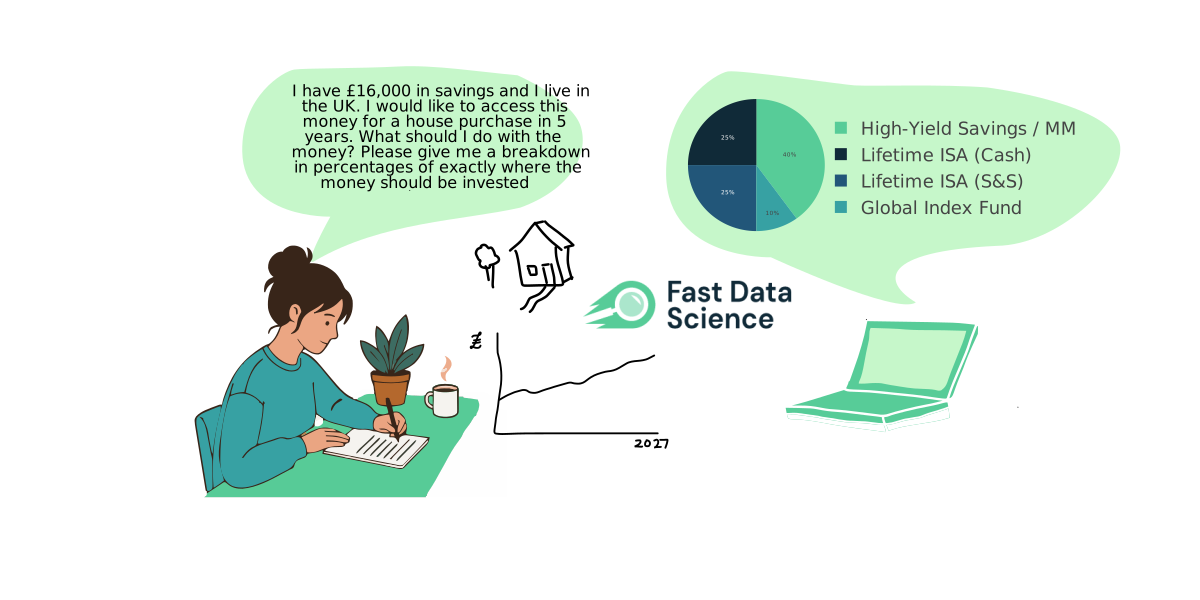
Financial advisors, like lawyers, are regulated in the UK. All financial advisors should be registered with the Financial Conduct Authority (FCA) and must have certain qualifications and have signed up to a code of ethics. UK financial advisors must also complete professional training every year.
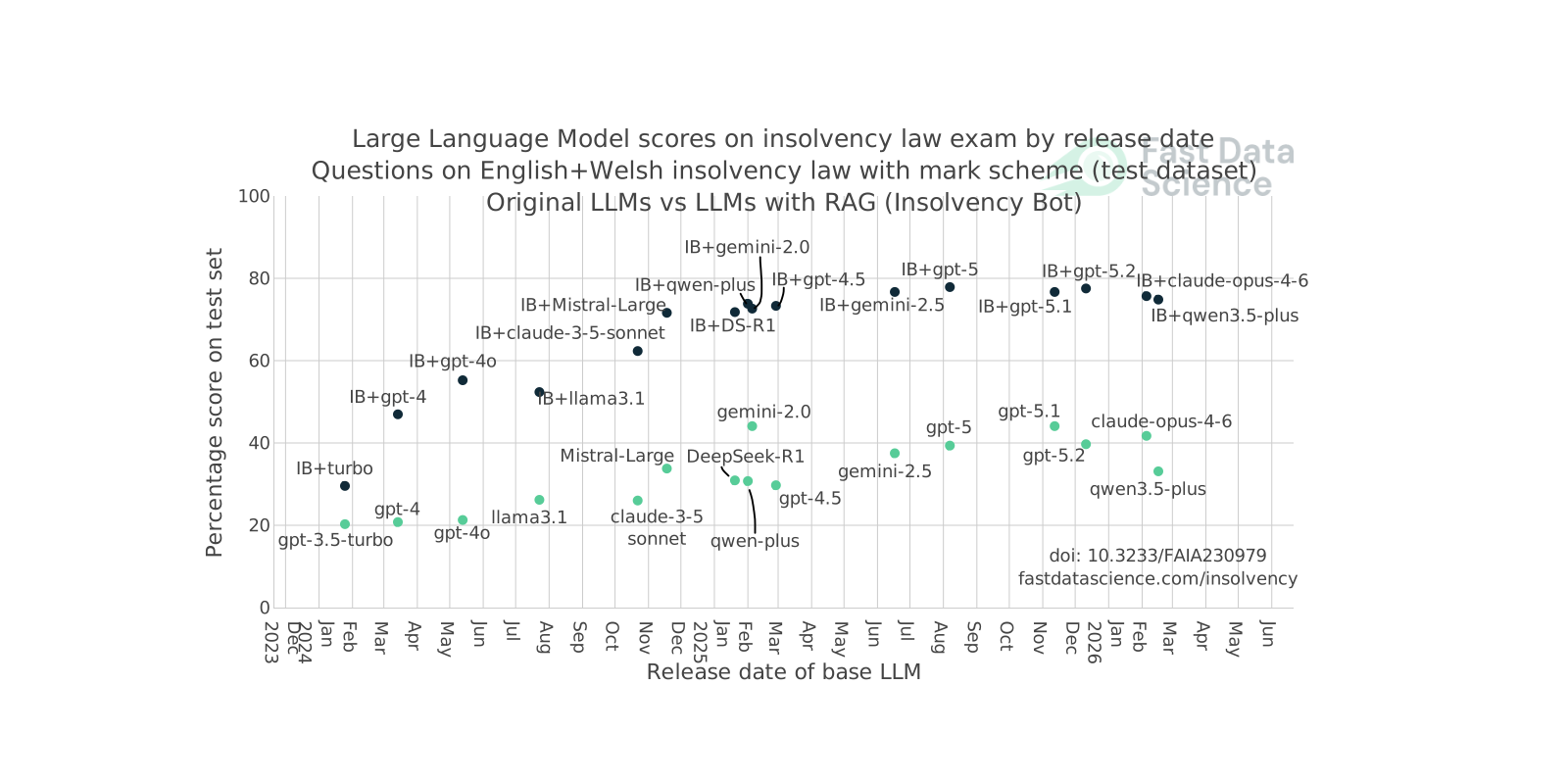
Which is the best AI for legal questions in 2026? We tested 16 Large Language Models (AIs) from the last two years on a law exam.
The effects of AI companies training on creative works When AI companies train models on text, video and images from creative industries, the end product is an AI model which can create near-human quality visual designs or copywriting. Many artists have argued the AI companies are exploiting creatives by profiting from their work, while the original creators do not receive any compensation. By flooding the market with low-cost content, AI has driven down rates for human artists, which is threatening creative careers.
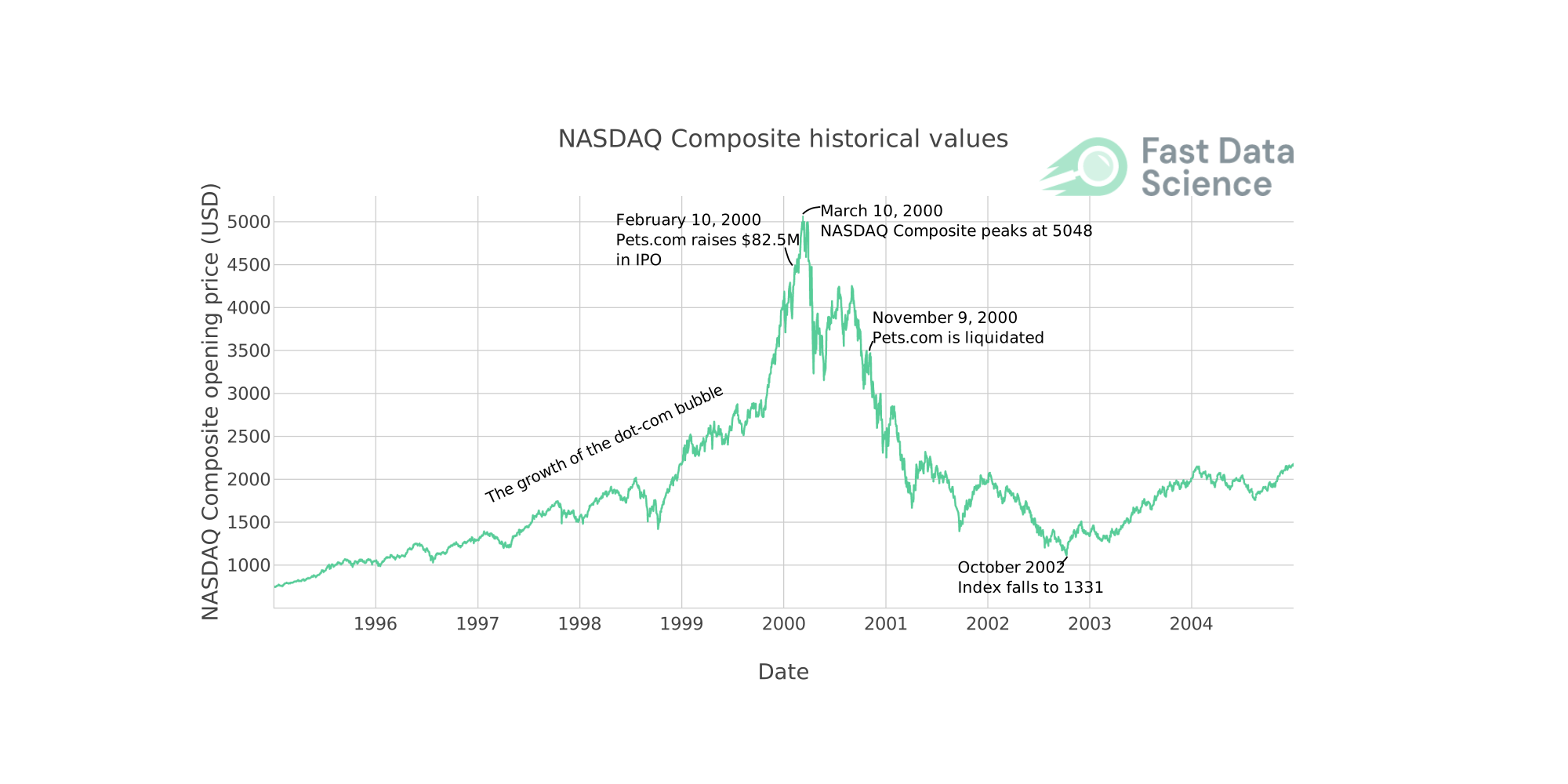
Are we in an AI bubble? The global economy is in an AI boom. Expert opinions are divided over whether this boom also constitutes a bubble, although there are warning signs. In a recent article by four members of the faculty at INSEAD Business school, the general consensus was that we’re not yet in a bubble, as earnings growth has generally corresponded to stock prices, but the market is pricing in expected growth in the future. However, there is a risk that future earnings won’t match these expectations, and we should be concerned about circular financing in AI deals, where there is a complicated web of dependencies between companies like Microsoft and OpenAI.
What we can do for you