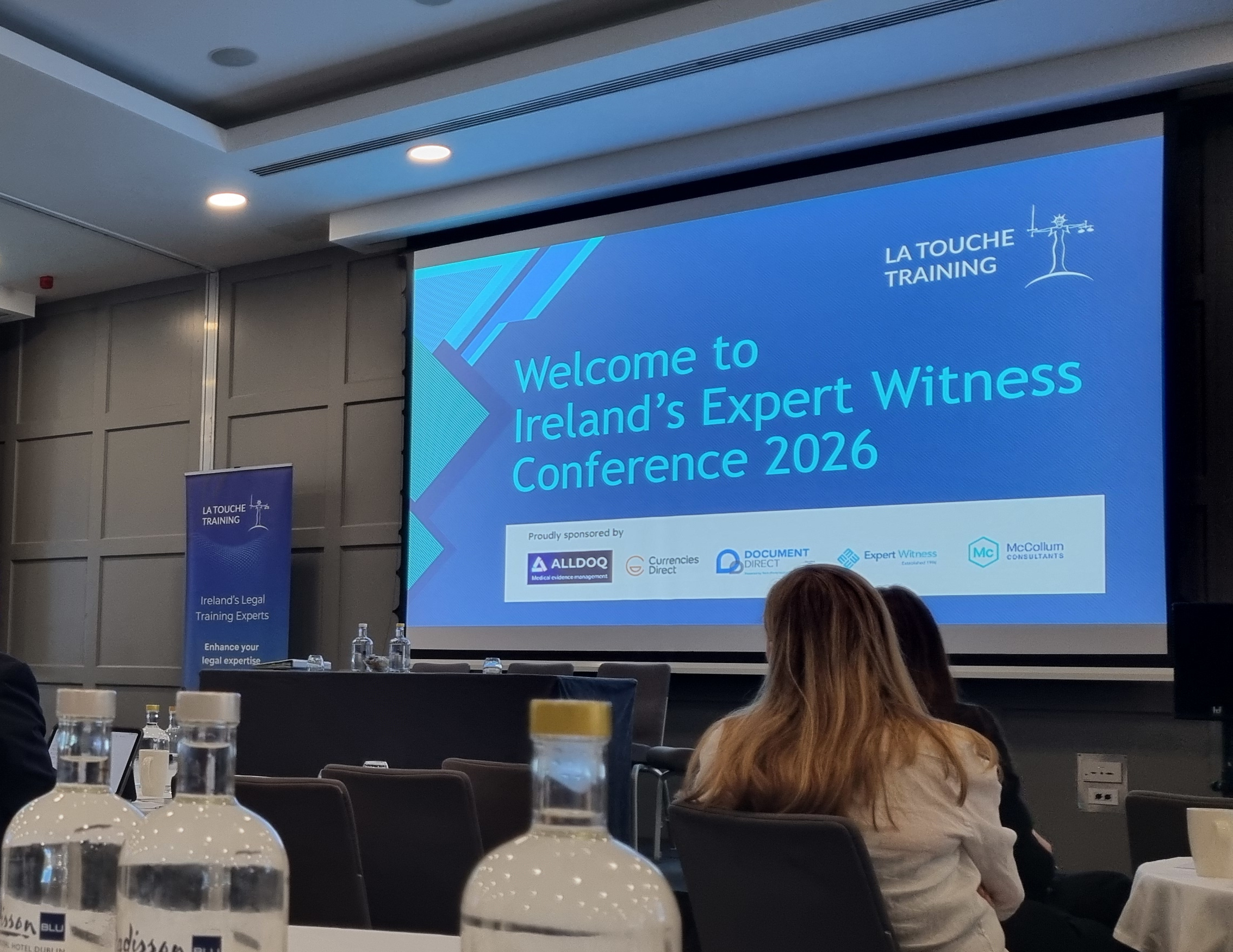
On 20 May, I attended the Expert Witness Conference in Dublin, Ireland, organised by La Touche Training. It was an eye opening event with a mixture of lawyers and expert witnesses in different fields from Ireland and abroad. The event was chaired by Mr Justice Michael Peart, with a keynote address by the Honourable Mr Justice David Barniville, President of the High Court of Ireland.
The schedule covered critical topical sessions, including recent developments in case law, expectations surrounding expert fees, and lessons from the UK’s Lucy Letby case. There were sessions involving practical advice for expert witnesses, a talk on the role of AI in investigations, panel discussions on expert meetings, and interactive techniques for handling cross-examinations.
I gave a talk at the conference providing an update on how AI can be used in expert witness reports and investigations. In the UK and Ireland, expert witness work is governed by rules requiring neutrality. The expert witness’s duty is to the Court, rather than to an instructing party. In England and Wales, the rules are Civil Procedure Rules 35 and Practice Direction 35, while Irish expert witnesses are governed by Order 39 of the Rules of the Superior Courts.
The delegates at the conference were an eclectic mix of lawyers and experts in a wide variety of fields, both in civil and criminal law. I met a forestry expert witness, a surgeon, and there were numerous healthcare professionals of all kinds, accountants, engineers, as well as the full spectrum of lawyers. There were criminal law expert witneses present, such as forensic specialists who work with fingerprints or DNA evidence.
The event was chaired by the Honourable Mr Justice Michael Peart and the keynote address was given by the President of the High Court of Ireland, the Honourable Mr Justice David Barniville.
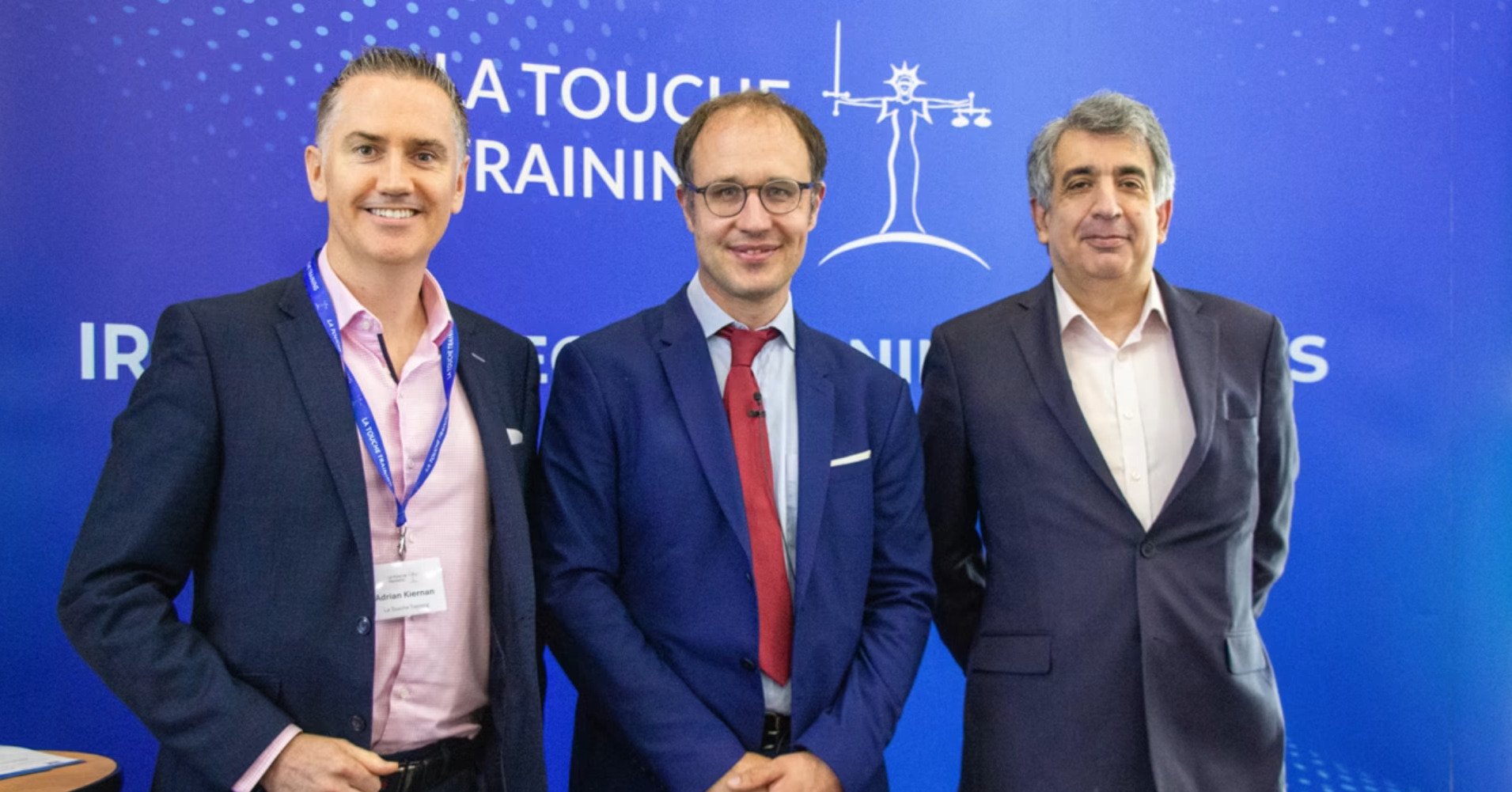
Left to right: Adrian Kiernan (La Touche Training), Thomas Wood (Fast Data Science), and Mark McDonald (barrister for Lucy Letby) at the conference
One piece of advice for experts which I picked up on from many of the delegates’ speeches was: stay in your lane. There have been a number of past cases where an expert seemed to play a dual role of expert witness as well as advocate for one side. An expert should remain impartial and their duty is to the Court, so if an expert crosses over into advocacy, their expert evidence will be inadmissible.
In Cahill v Seeperstad 2023,[1] this was a dispute between a stepfather and his stepchildren on the death of their mother. The defendants (the stepchildren) had an expert who also strayed into advocacy, advice, and even unwarranted interaction with the father (the plaintiff). In the end, the expert’s evidence was found to be inadmissible.
In B v Minister for Education,[2] the High Court dismissed a challenge to the marking scheme for the Mandarin Chinese Leaving Certificate exam. The applicant had Taiwanese heritage and wanted to sit the exam using traditional characters. The expert witness expressed opinions about the “discriminative” [sic] nature of the exam. The judge was particularly critical of the expert witness and stated that she “went far beyond that permitted by the rules in relation to expert evidence”. The expert evidence was undermined and in the end, the court could attach little weight to her evidence.
There is a move in both the UK and Ireland towards jointly instructed experts, or expert meetings, where experts from both sides meet without any lawyers present and with no minutes taken, in order to identify points of agreement and points of contention in their evidence.
Some expert witnesses that I spoke to said that they prefer to be instructed without knowing which side they are instructed by. Bias can be a challenge in healthcare settings, as an expert witness is also a healthcare provider who naturally wants the best for their patient.
Mark McDonald, barrister for Lucy Letby, gave an insightful talk on the Lucy Letby case, and described some of the problems in the ways that expert witnesses are chosen and instructed and how their evidence is interpreted. Mr McDonald highlighted how in many cases a person’s fate can depend on interpretations of probabilities. In many criminal trials, only the prosecution has access to expert witnesses. There have been cases of expert overreach, such as in the case of Sally Clark, who was wrongfully convicted in 1999 for the murder of her two infant sons, partly on the basis of expert overreach (one expert was a paediatrician, not a statistician, but presented complex probabilities outside his expertise without consulting statisticians).[3]
We were given a lot of advice on cross examination. This is particularly useful as many expert witnesses have not been cross examined, since most cases settle before going to Court.
An expert must be calm, clear and concise under cross examination. One lesson I came away with was that every question is in one of the following categories:
The advice given to experts on the stand is:
The conference ended with a mock cross examination conducted by John McLaughlin BL, which was both informative and entertaining.
Cahill v Seepersad [2023] IEHC 583
B v Minister for Education IEHC 313
[2000] EWCA Crim 54, [2003] EWCA Crim 1020
Unleash the potential of your NLP projects with the right talent. Post your job with us and attract candidates who are as passionate about natural language processing.
Hire NLP Experts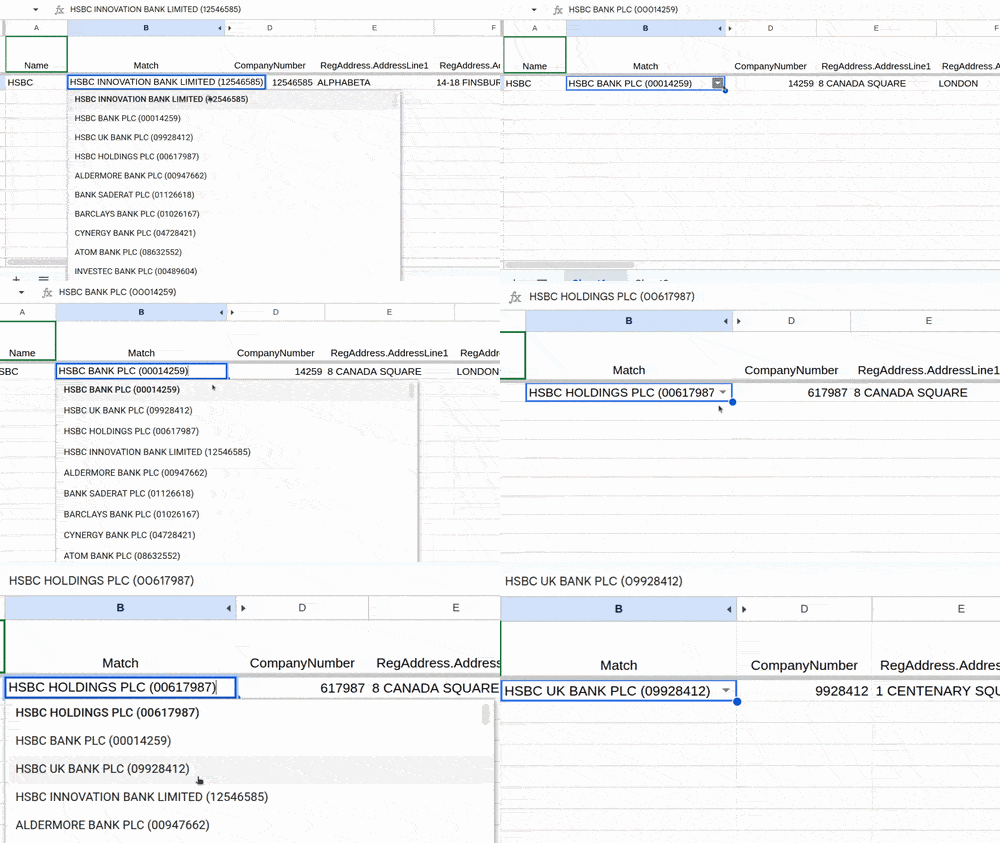
Fast Data Science are pleased to announce we have updated the UK Company Details Google Sheets™ plugin. The plugin allows you to retrieve details such as company number, incorporation date, address, and directors’ details from Companies House (the UK company registry) and automatically populate them in columns of a Google Sheets™ spreadsheet.
We are all familiar with the general-purpose chatbots like Gemini, GPT, and Claude. Companies and organisations have also been creating internal and external facing special-purpose chatbots, such as those which can book flights, tell you the weather, answer healthcare related queries, or answer questions about government procedures.
What we can do for you