This new video explains natural language processing: what it is, how it works, and what can it do for your organisation. Natural Language Processing (NLP) is a branch of Artificial Intelligence (AI) that focuses on giving computers the ability to understand human language, combining disciplines like linguistics, computer science, and engineering.
Companies need NLP because much of their crucial data, especially in industries like insurance, healthcare, and pharmaceuticals, exists as unstructured text in formats like PDFs, scanned documents, or audio, which computers struggle to process compared to clean numerical data.
The most effective way a business can get value out of NLP is by implementing it as part of a wider strategic and business-aware initiative, such as the development of a predictive risk model. This allows the company’s C-level to turn unstructured text documents into a quantifiable risk or cost estimate for the next quarter, delivering a phenomenal return on investment and a competitive advantage, especially in traditionally conservative industries. While lower-impact initiatives can save staffing costs (e.g., by triaging customer support), the highest impact comes from these larger strategic projects that provide predictive business insights.
Unleash the potential of your NLP projects with the right talent. Post your job with us and attract candidates who are as passionate about natural language processing.
Hire NLP Experts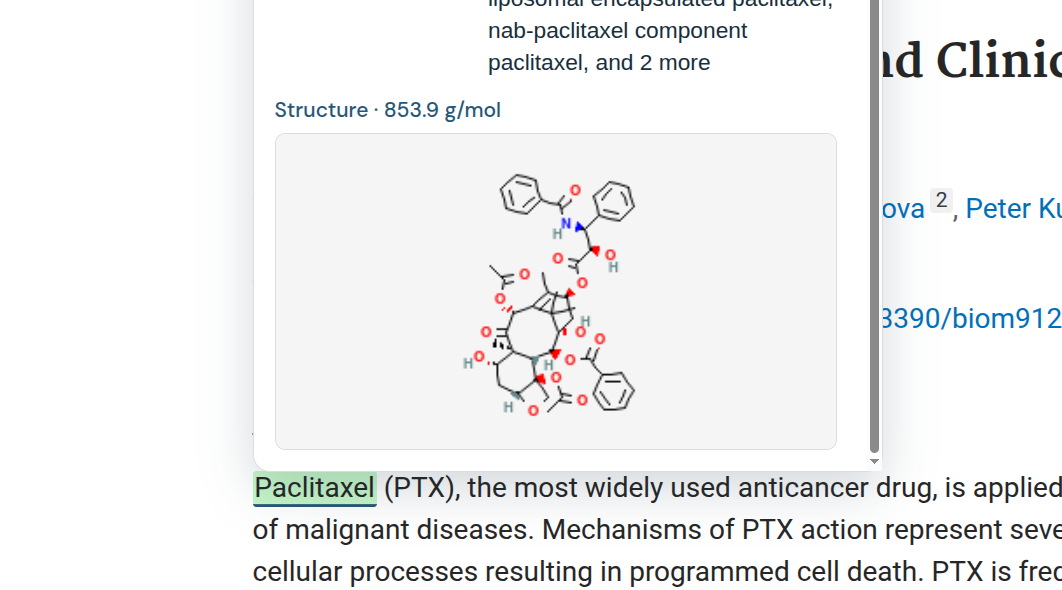
“Drug Name Recogniser: Chemical Structure, Formula & Molecular Weight” Google Chrome extension for pharmaceutical drug names Fast Data Science has developed a Google Chrome extension which finds pharmaceutical drug names in the web page you are viewing. It uses the same lookup as the Drug Named Entity Recognition Python library.

No part of this blog post constitutes legal advice. A common question that came up at the two expert witness conferences which I attended in 2026, was

There are a number of unresolved questions around when and how AI can be used in court documents. A variety of cases have been reported where litigants in person, advocates, or expert witnesses have been admonished or penalised by the courts for undeclared or inappropriate use of AI. In this post, I will focus on AI use in England and Wales, although I have covered some other jurisdictions in an earlier blog post on the topic.
What we can do for you
